
Across the Middle East and parts of South Asia, Muslim communities observed Eid al-Fitr and the Persian New Year Nowruz this week — but many of the usual celebrations were muted or disrupted by airstrikes, security restrictions and deadly violence. The overlapping holidays, which center on renewal and family, took place under a war cloud that has reshaped how people marked these dates.
What happened — short overview
Worshippers, holiday shoppers and families in multiple countries tried to keep customs alive while coping with strikes, closures and high civilian tolls. In Jerusalem, Palestinian worshippers were barred from Al-Aqsa Mosque for Eid prayers. In Iran, Iranians marked Nowruz and the fire-festival Chaharshanbe Suri amid wartime fears and economic pressure. And in Kabul a Pakistan airstrike on a rehabilitation centre left hundreds dead or missing, turning Eid into a day of searching for loved ones.
Al-Aqsa closure and Eid prayers in Jerusalem
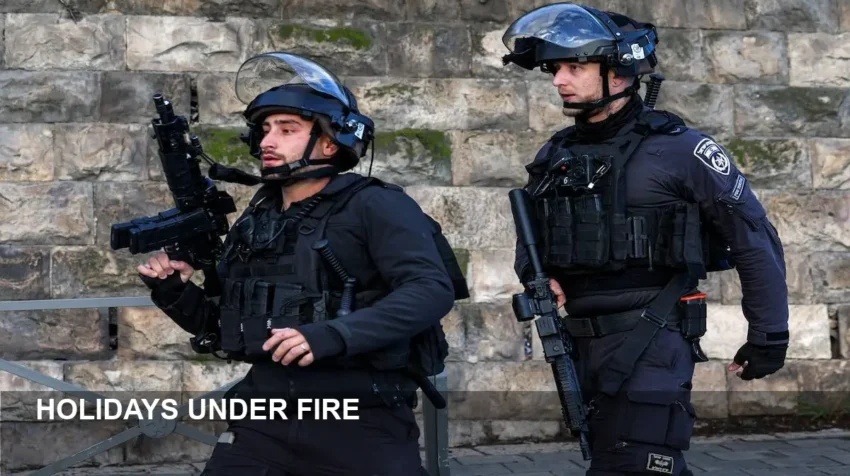
Israeli authorities, citing security concerns amid regional fighting, prevented Palestinians from entering the Old City to pray at Al-Aqsa — a first since 1967, according to reporting. Hundreds instead prayed on nearby streets where clashes with police were reported; security forces used stun grenades and batons as crowds tried to approach gates to the compound.
Local worshippers voiced the emotional toll. “Eid every year for us in Jerusalem is the Al-Aqsa Mosque and praying in it,” said Aya Amr, 29. Others described trying to hold small street congregations and praying for peace.
Nowruz under bombardment and economic strain
In Iran, Nowruz festivities and Chaharshanbe Suri rituals happened under wartime conditions and official warnings against outdoor gatherings. Many Tehran vendors closed shops or saw sharply reduced sales; families scaled back traditional haft-seen tables and new clothes. Some still celebrated: social media showed gatherings and images — including a widely shared double rainbow over Tehran that many called a sign of hope.
Israeli Prime Minister Benjamin Netanyahu released a Nowruz video message to Iranians this week, saying, “A year of freedom, a new beginning of hope to all of you, my dear friends.” In other comments reported elsewhere, he added a different greeting telling Iranians to “celebrate, and happy Nowruz.”
Kabul hospital strike: Eid turned to mourning
In Kabul, what should have been a celebratory Eid became a search for the dead after a Pakistan strike hit Omid rehabilitation centre. Official tallies differ: a UN preliminary figure put the immediate death toll lower, while Afghan authorities later said more than 400 people were killed and hundreds injured.
Sorrow was raw at burial sites. “This is the saddest moment, for a person on Eid day to search for the body of his brother,” said Sohrab Faqiri, whose sibling was among the missing.
Responses and what comes next
Humanitarian actors called for de-escalation and fuller investigations into civilian losses. Aid groups and the UN appealed for restraint as families awaited clearer casualty lists and burials. For millions who observed Eid and Nowruz this week, the immediate future will focus on mourning, recovery and whether traditions can be preserved while conflict continues to reshape daily life.