
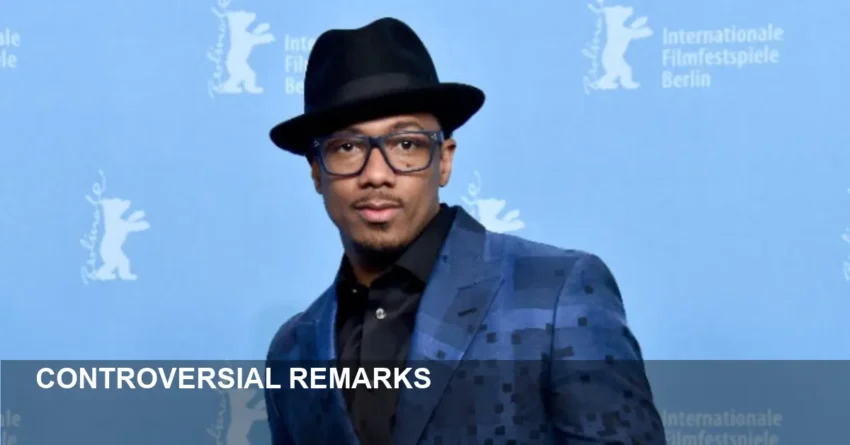
Nick Cannon and model Amber Rose stirred controversy during a March 29, 2026 episode of Cannon’s online show Big Drive, where the pair exchanged sharp views on U.S. politics — praising Donald Trump and accusing Democrats of ties to the Ku Klux Klan. The remarks quickly became a talking point in entertainment and political coverage this week.
What was said on the show
On Big Drive, Amber Rose told Cannon she had switched her support away from Democrats, saying, “Democrats don’t care about Black people, and they don’t care about people of color. And the Republicans do.” Cannon agreed, responding, “People don’t know that the Democrats are the party of the KKK. People don’t know that the Republicans are the party that freed the slaves.”
He also said he doesn’t fully subscribe to either major party, quoting W.E.B. Du Bois: “there’s no such thing as two parties. It’s just one evil party with two different names.” When Rose noted she voted for Trump in 2024, Cannon echoed enthusiasm for the president’s agenda, saying the former president “is doing what he said he was gonna do” and adding a vulgar endorsement: “I fuck with Trump.”
Why the remarks matter
The exchange matters because it blends celebrity influence with contentious political history. Cannon’s comments touch on long-debated shifts in American party alignment and the fraught legacy of race and institutions — topics that routinely generate strong reactions, especially from public figures with large followings.
Coverage of the episode noted factual nuances: while some early KKK founders were Democrats in the post–Civil War South, historians and fact-checkers emphasize that party coalitions and platforms have significantly shifted since the 19th century. The Republican Party was founded in the 1850s by anti-slavery activists, and the 20th-century civil-rights realignments reshaped both parties’ coalitions.
Context and history cited on the show
- Cannon and Rose referenced America’s fraught political history and used it to explain their current political positions.
- Cannon invoked W.E.B. Du Bois’s 1956 essay criticizing the two-party system to justify his independent stance.
Reaction and where the conversation goes next
The segment drew immediate attention from entertainment and news outlets and prompted debate online, with critics and supporters weighing in on the merits of Cannon’s historical framing and his vocal support for Trump. The video of the conversation has circulated in news coverage and on social platforms since it aired.
For audiences, expect further coverage: commentators will likely parse the historical claims and the political implications of celebrities publicly switching or endorsing parties. Cannon’s comments add to a recent string of high-profile entertainers openly discussing partisan views, which often fuels broader public debate.
Whether this changes opinions among Cannon’s fans or contributes to a larger political shift among celebrity voices remains to be seen, but the March 29 exchange has already reignited conversations about race, history and party loyalty in America.