
Big-name brands staged a parade of April Fools’ stunts on April 1, 2026, using absurd product mashups and tech-forward gags to seize social attention — and a competing idea, an “April Kindness” push, trended on Threads the same day. As corporate PR leans harder into humorous product drops, the line between joke and low-cost market research is getting blurrier — some concepts are clearly play, others feel like a live A/B test.
Raising Cane’s, leaning into food-culture virality, posted a faux collaboration with Coca-Cola — “Cane’s Sauce Coke” — even enlisting actress McKenna Grace in the rollout. Instant social traction followed. Noodle brand Top Ramen and candy-maker Butterfinger teased a peanut-buttery ramen flavor; Keebler unveiled a mock “Hollow Tree Toothpaste” flavored like its cookies; Ugg previewed a clip-on “Uggbrella” to shield sheepskin boots from rain. Those announcements and more appeared on company social channels and generated wide sharing and commentary across X and Instagram.
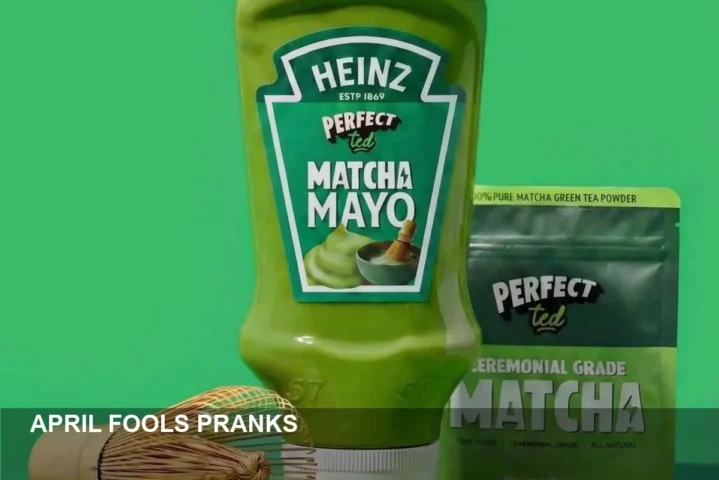
Not all the jokes were food. Dude Wipes promoted a satirical “Butt Massk” hydrogel, pastry brand Jus-Rol behind the whimsical “dePUFF” sheet mask (yes, made of puff pastry), and Terry’s Chocolate teased a phone case meant to carry an emergency slice of chocolate orange. Non-alcoholic brew maker Mash Gang imagined an “office keg” insert that would turn a water cooler into rotating taps. Condiment stalwart Heinz pretended to go green with a matcha mayo collaboration. On the tech side, we saw pitches this year for an AI alarm clock that wakes you by brewing a cup of Eight O’Clock Coffee and BBQ AR smart glasses that project heat zones while you grill — some of which sound less like pranks and more like product ideas (or PR futures).
Reaction was mixed. Many viewers laughed and reshared mock-up packaging; others called some stunts cringeworthy or tone-deaf. Live coverage and real-time ratings of the day’s best and worst jokes highlighted that what scores as clever for one audience can land as annoying to another. Is it harmless fun or marketing noise? The answer often depends on execution and context.
Running alongside the corporate comedy: a social counter-movement. A viral Threads post suggested swapping pranks for small acts of generosity — “April Kindness Day,” urging people to surprise others with treats, notes, or unpaid-forward bills. That idea resonated in op-eds and community posts, with suggestions ranging from buying groceries for a stranger to leaving encouraging sticky notes in public spaces. The kindness thread appealed especially to those who find modern prank culture mean-spirited (or who simply prefer to reduce online antagonism).
One broad implication stands out: brands increasingly use April Fools as low-cost testing grounds for concepts that might later become limited editions or real offerings — a pattern we’ve seen before when novelty flavors or tie-ins graduate to permanent SKUs after strong consumer response. That dynamic makes April 1 less about one-day laughs and more about live consumer research.
What next? Expect follow-through: a handful of the better-received pranks could show up as real promos, limited runs or seasonal menu items later this year, while the kindness idea will likely reappear each spring as an alternative editorial and social campaign. Either way, April 1 keeps evolving — part absurdist theater, part marketplace probe, and, if enough people choose it, maybe a day of small, meaningful surprises instead of practical jokes.