
FIFA resumed World Cup ticket sales Wednesday but many buyers were stuck in long queues and some were misdirected to a late-qualifier sales phase, delaying purchases as the final 48-team field fell into place. This combination of technical hiccups and dynamic pricing risks amplifying frustration among fans ahead of a tournament already stretched across three countries.
FIFA acknowledged the issue, saying links were operating properly by noon even as some users reported being routed into a “PMA late qualifier supporters” queue meant for the six nations that clinched berths in the final qualifying window. Fans who joined the online line right at 11 a.m. EDT said they were still waiting more than 90 minutes later. FIFA also clarified that not every remaining ticket for the 104 matches was released at once—additional allotments will be dropped on a rolling basis.
The sales phase that opened Wednesday is notable because it allows buyers to pick a specific seat for the first time rather than requesting a category. Prices remain wide-ranging: earlier phases showed tickets priced between roughly $60 for select federation allocations and up to $8,680 under FIFA’s dynamic-pricing system. FIFA’s own resale platform is live too, taking 15% from both buyer and seller.
Critics have been vocal. A group of 69 members of Congress recently called out dynamic pricing as potentially exclusionary, and fan organizations have filed formal complaints in Europe over skyrocketing resale costs. Who wins when demand, dynamic pricing and a limited digital queue all collide? Not necessarily the average supporter, many fear.
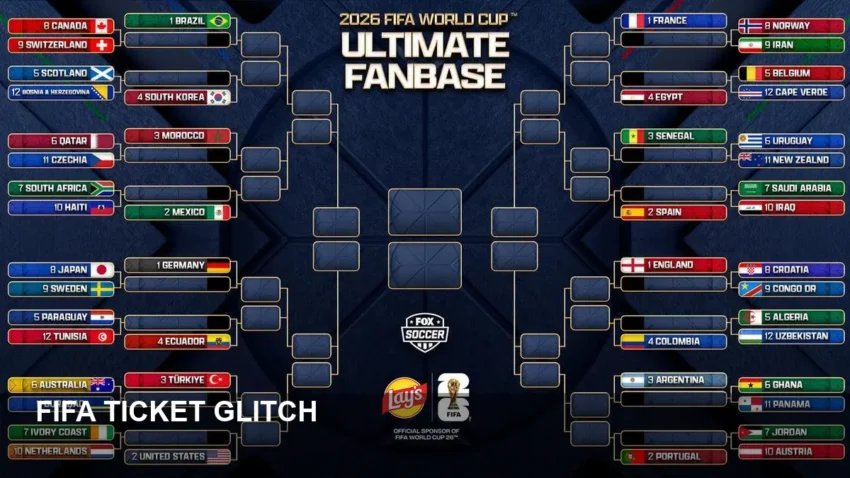
Fan engagement around the tournament — however — continues to grow in other ways. Major outlets and broadcasters are running fan-driven promotions: one social bracket invites votes across Instagram, Facebook, YouTube and X for the 48 teams’ fanbases, with top seeds like Brazil, the U.S., France and Argentina seeded to receive byes. The prize includes billboards celebrating the winning nation outside its training facility, a tangible nod to the rising importance of social followings in modern sports fandom.
And on the ground in host cities: Houston unveiled a 160-foot mural by José “Meenr” Arredondo at 2727 Canal Street, greeting visitors with larger-than-life portraits of iconic players and a burst of local color—a reminder that not all World Cup excitement lives in ticket portals (or Twitter queues).
What happens next: FIFA says the current sales phase will remain open through the tournament window, June 11–July 19, with more tickets released intermittently. Fans of teams eliminated during qualifying may try to resell seats they already bought; others will be watching resale prices closely. Broadcasters have said all 104 matches will be carried across FOX and FS1, plus streaming, with 40 games in primetime.
Short-term fixes — faster servers, clearer links, more transparent seat inventories — would help. Longer term, the 2026 World Cup’s expansion to 48 teams across the U.S., Mexico and Canada makes fair, user-friendly ticketing a harder engineering problem than past tournaments. Expect regulators, fan groups and FIFA to keep a close eye on how this plays out.