
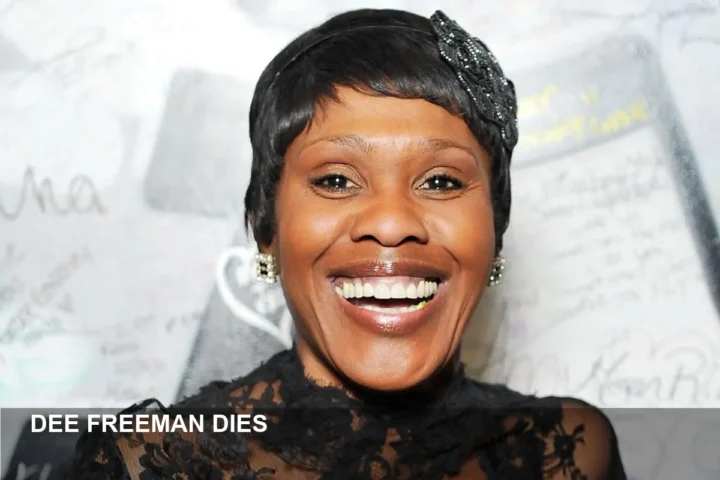
Dee Freeman died on April 2, her family announced, following a battle with cancer, marking the loss of a familiar face on both daytime and primetime television. Her family said she “passed away peacefully after a brave and fearless fight.” This moment underscores how character actors quietly build the emotional backbone of serialized TV—then step away too soon.
Freeman, 66 (she was 66), was best known for recurring turns on BET’s Sistas and the long-running CBS soap The Young and the Restless. The family shared the news in a statement posted to social media; her publicist, Desirae L. Benson, added a tribute that captured Freeman’s on-screen authority: “Dee had a quiet power that commanded respect without ever needing to demand it. Her legacy is not just in her work, but in how she made people feel — and that will stay with us forever.”
Across a career of steady supporting roles, Freeman often brought a moment of levity or a sharp look that changed a scene’s temperature. She appeared in episodes of other television projects and made a point of elevating small, memorable parts—roles that casting directors and showrunners rely on to make worlds feel lived-in. Those are the performers who keep viewers coming back week after week.
Fans and colleagues responded quickly online after the social-media announcement, posting screenshots of memorable scenes and short tributes that emphasized Freeman’s warmth off camera as much as her presence on it. Industry peers noted the practical loss: dependable character actors like Freeman are rare commodities who help sustain long-running franchises and ensemble dramas (especially soaps and serialized streaming shows).
Her passing follows a private battle with cancer, the family said; they asked for privacy as they grieve. The publicist’s statement offered both admiration and a reminder of the intimacy of Freeman’s craft — she influenced fellow actors simply by listening and reacting, not by dominating a scene.
What comes next is the small, tangible work of legacy: re-runs, streaming clips and social feeds will resurface her performances, introducing her to viewers who may have missed her initially. And for the shows that featured her, expect official memorials or brief on-air acknowledgements in the days ahead.
Industry note: performers who build durable careers as scene-stealers often shape casting trends more than headline stars do, because their reliability gives writers the freedom to expand ensembles—an invisible but powerful form of influence that Freeman embodied. Who will now step into those quiet but essential supporting roles?
Family-provided details remain the primary source of information at this time; further statements from networks, production companies or Freeman’s representatives may follow as colleagues and fans share memories.