
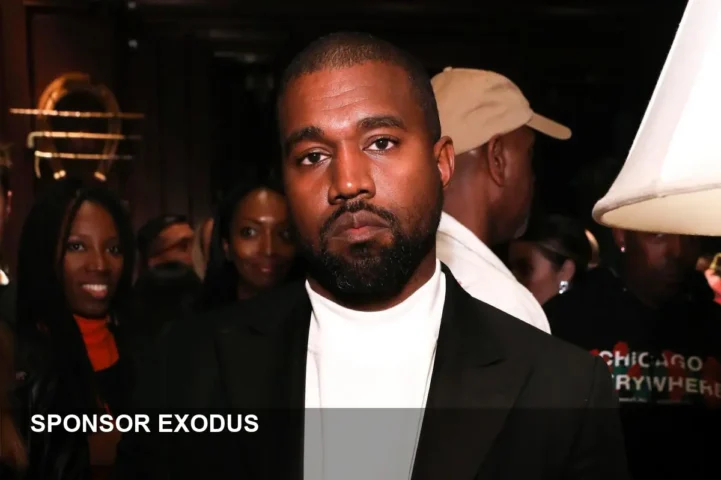
After weeks of public outrage and corporate unease, Wireless Festival’s promoter has publicly defended Kanye West as a headliner—while acknowledging the damage his past statements have caused.
Melvin Benn, managing director of Festival Republic, urged the British public to “offer some forgiveness and hope” for Ye, saying the festival still plans to feature him as one of its marquee acts. He also described the rapper’s past remarks as “abhorrent,” and asked audiences and partners to consider a path forward rather than immediate cancellation.
Sponsors, however, have not waited. Several brands quietly began withdrawing or reassessing their festival support after the controversy reignited, a development that was quickly amplified across social platforms (and flagged by fans on X). Organizers acknowledged the withdrawals but stopped short of naming which companies had pulled back. Industry chatter on social feeds singled out payment firms among those being scrutinized, with some users calling attention to PayPal—though festival officials did not publicly confirm specific sponsors.
The tug-of-war — between a major box-office draw and the commercial risks brands face when associated with a polarizing figure — puts Festival Republic in a familiar yet sharper spotlight. Festivals routinely balance headline power against reputational fallout, but the speed of corporate exits this time feels different. For promoters, the calculus is shifting: a single controversial headliner can now cost more in sponsor dollars than they recoup in ticket surges, forcing riskier short-term defenses.
Festival Republic’s statement (issued publicly by its management) framed the decision as one rooted in music and second chances, not an endorsement of past behavior. Benn’s appeal for forgiveness landed alongside frank language acknowledging “abhorrent” remarks—an attempt to thread the needle between keeping a commercially valuable act on the bill and addressing public concern.
Fans and industry watchers reacted swiftly. Social posts ranged from insistence that Ye be dropped immediately to calls for nuance and reconciliation; a smaller contingent argued the decision should rest with ticket-holders at the gate. Talent agents and festival consultants told colleagues privately that this episode could harden brand policies around artist conduct—meaning future lineups might face earlier vetting.
What happens next is concrete and immediate: sponsors will either re-enter talks or finalize exits, and festival organizers must decide whether to maintain the billing or negotiate a quieter outcome. If brands continue to pull back, the safest route for the promoter could be a headliner reshuffle or a shared-statement approach with partners—both costly and complicated options.
Whatever unfolds, this moment underscores how quickly cultural controversy can ripple into commercial contracts—and how promoters now need contingency plans as standard operating procedure. Will Wireless keep Ye on the bill and weather the storm, or will commercial pressure force a last-minute change? The coming days should answer that question.