
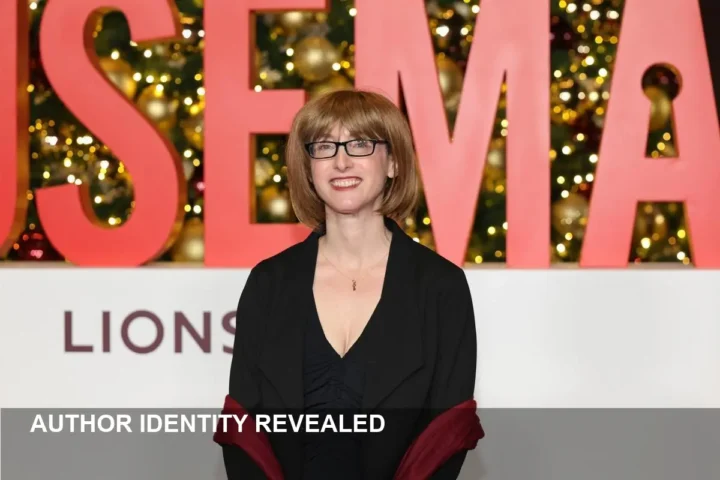
Sara Cohen just confirmed on April 9 that she is the writer long known to readers as Freida McFadden, ending more than two decades of secrecy around the bestselling author of The Housemaid. Her reveal comes as the franchise expands into film sequels and merchandising—an uncommon turn for a writer who kept a careful double life. This disclosure could reshape how publishers and studios handle anonymous bestsellers moving forward.
Cohen, 45, told USA Today in an on-the-record interview that she wrote under the pen name to protect her medical career. A physician who specializes in traumatic brain injury, she said she intentionally delayed going public until she cut back on full-time clinical duties in late 2023; she now practices only once or twice a month. The interview is the primary source for Cohen’s personal explanation.
As Freida McFadden, Cohen authored a string of commercial thrillers, but it was The Housemaid that became a breakout phenomenon—spending more than a year on Amazon’s best-seller lists and over a year on The New York Times trade paperback list. TikTok’s #BookTok and active Goodreads discussions helped the book cross into mainstream conversation, and a 2025 film adaptation starring Sydney Sweeney and Amanda Seyfried turned the novel into a box office hit. Lionsgate announced in January 2026 that a sequel, adapting The Housemaid’s Secret, has been greenlit, confirming the franchise’s momentum.
For years Cohen managed public appearances in disguise—regularly wearing a wig and glasses—to keep her two lives separate. She told USA Today that the measures were practical rather than theatrical; consistent styling let her maintain boundaries between hospital corridors and book tours. Colleagues who learned her identity reportedly respected her privacy and many were surprised to discover the author under their noses.
Fans reacted quickly online after the interview surfaced. Posts on social platforms celebrated the unmasking, while industry observers noted the commercial upside: an identified author opens new marketing opportunities for upcoming tie-ins and adaptations. Will readers embrace the person behind the pen name as readily as they embraced the books?
One clear implication is editorial and cinematic: Cohen’s medical expertise—particularly in traumatic brain injury—likely informs the vivid, clinical portrayals of memory and trauma that distinguish her thrillers (an authenticity few genre writers can claim). Historically, authorial revelations have both boosted sales and complicated publicity; Cohen’s careful timing suggests she aimed to maximize the benefits and minimize professional fallout.
What’s next: Lionsgate’s sequel is expected to move into development later this year, and publishers are preparing marketing that acknowledges Cohen’s real name while preserving the Freida McFadden brand. Readers can expect new editions and merchandise to reflect the author reveal, and Cohen’s reduced clinical schedule hints she may be more publicly engaged going forward—though she has made clear she still values privacy.