
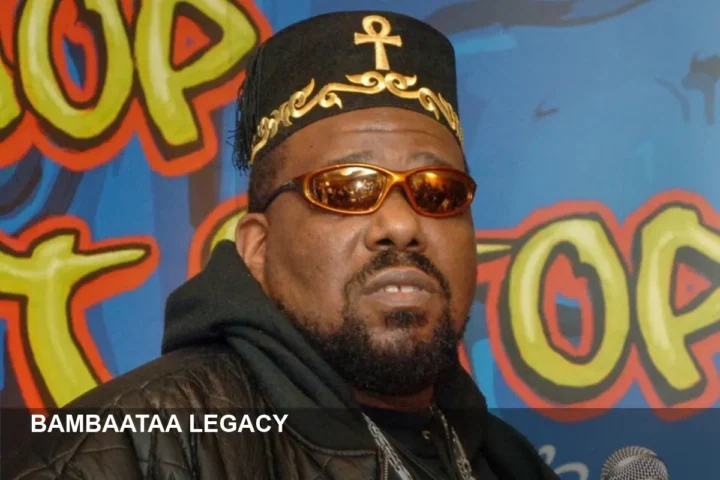
Afrika Bambaataa just died on Thursday, marking the end of a career that helped define hip‑hop while also reopening painful questions about accountability in the culture. His lawyer confirmed the Bronx-born DJ and producer died in Pennsylvania of cancer at 68.
Bambaataa—born Lance Taylor—was a pivotal architect of early hip‑hop, the founder of the Universal Zulu Nation and the force behind 1982’s electro landmark “Planet Rock,” which helped bring the Roland TR‑808 sound into popular music. Over decades he collaborated across genres, from funk and soul to punk and electronic acts, and took part in the 1985 Artists United Against Apartheid project that united major names against South African apartheid.
Yet his obituary is complicated. In 2016 a series of men publicly accused Bambaataa of sexual abuse, prompting the Universal Zulu Nation to issue a public apology that acknowledged survivors and said some members had failed to disclose what they knew. Later legal troubles culminated in a 2025 default judgment after Bambaataa missed a hearing in a civil case related to allegations of trafficking and abuse. He consistently denied the claims.
Hip‑Hop Alliance — led by Kurtis Blow — posted on Instagram acknowledging Bambaataa’s role in shaping the culture while explicitly noting the conversations about his alleged misconduct. TMZ and other outlets reported the early‑morning death in Pennsylvania; the lawyer’s statement supplied the cause as cancer (prostate complications, according to several reports).
For many fans and artists, Bambaataa’s innovations—his rapid mixing, use of breakbeats, and embrace of global electronic sounds—helped turn block‑party DJing into an international movement based around “peace, love, unity and having fun.” His Universal Zulu Nation began as a street‑level organizing project that sought to cool gang tensions in the South Bronx by offering music and identity as alternatives to violence.
And yet: how do communities honor cultural milestones when the creators are accused of harm? That question is already reshaping how museums, educators and curators present early hip‑hop history—Bambaataa’s case will likely accelerate those debates and force institutions to balance celebration with accountability (an increasingly common dilemma across music history).
Reaction from inside the culture was immediate and mixed. Tributes acknowledged his sonic and organizational influence while others reiterated support for survivors and the need for truth and remediation. Social posts from artists and organizations—some mourning, some demanding fuller reckonings—began circulating within hours of the news.
What’s next: there may be further legal or estate developments, and renewed discussion about how hip‑hop archives, documentaries and curricula treat Bambaataa’s work. For listeners and historians alike, this is both an ending and the start of a new, complicated chapter in remembering one of the form’s most consequential early figures. How will hip‑hop remember him?