
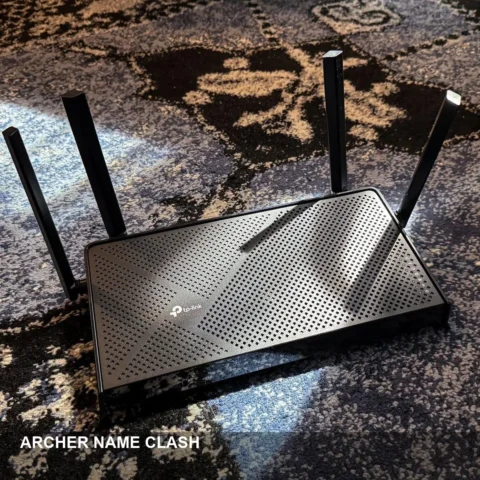
After weeks of investor disillusionment and a flurry of product reviews, Archer Aviation reported a sharp drop in market enthusiasm in early March 2026—while an unrelated consumer gadget that shares the Archer name is enjoying unexpectedly positive attention.
Archer Aviation confirmed this month that it has secured 100% acceptance from the FAA on its Midnight aircraft “Means of Compliance,” a key regulatory milestone that clears the way for further certification steps and local flight-network talks in New York, Florida and Texas. But the company remains pre-revenue, reporting an operating loss of roughly $729 million for 2025 and continuing to burn cash as it scales. The result: shares are trading well below their highs (down more than half from peak levels), and many investors are treating the pullback as an unwinding of air-taxi optimism rather than an indictment of the technology.
At the same moment, TP-Link’s Archer BE3600 router—an unrelated consumer product that borrows the same common name—has been singled out in recent reviews as a standout budget entry into the newer WiFi 7 era. The compact two-band device, cleared for sale in the U.S. by the FCC, has consistently shown fast, reliable performance in real-world testing and has lingered at about $87 on Amazon since December 2025. For small households and apartment dwellers, reviewers note, it delivers far more capability than its low price suggests.
So what ties them together beyond a shared label? Nothing corporate—one is a telecommunications device made by TP-Link, the other an eVTOL manufacturer building flying taxis—except for the way headlines and search engines surface the word “Archer.” That accidental overlap is already producing social chatter on X and investor forums as users toggle between articles on FAA certification, stock charts, and router sale listings.
There’s a practical implication here that goes beyond meme fodder: brand-name collisions can distort short-term attention and even traffic metrics. Retail investors scanning headlines after a stock dip might land on glowing router reviews (or on a sales page), producing a small but measurable mismatch in sentiment signals. Could that stray attention nudge trading flows? Possibly—especially for high-volume retail trades driven by rapid headline scanning.
Industry observers say the underlying stories remain distinct. Archer Aviation is deep into regulatory work and municipal rollouts (and holds roughly $2 billion in liquidity, according to recent company disclosures), so the long-term debate is about execution and capital efficiency. TP-Link’s Archer, meanwhile, illustrates how quickly a well-priced device can cut through the noise when it offers strong real-world value—no rocket science, just solid WiFi 7 performance for under $100.
What’s next: Archer Aviation will press on with FAA certification milestones and city-by-city regulatory negotiations as it aims to begin service trials, while TP-Link will likely keep its Archer BE3600 stocked through online retailers for the near term. For audiences, the takeaway is simple: the same name can mean very different things in the market, and context—regulatory filings, product pages, and verified company statements—matters when you read the news.