
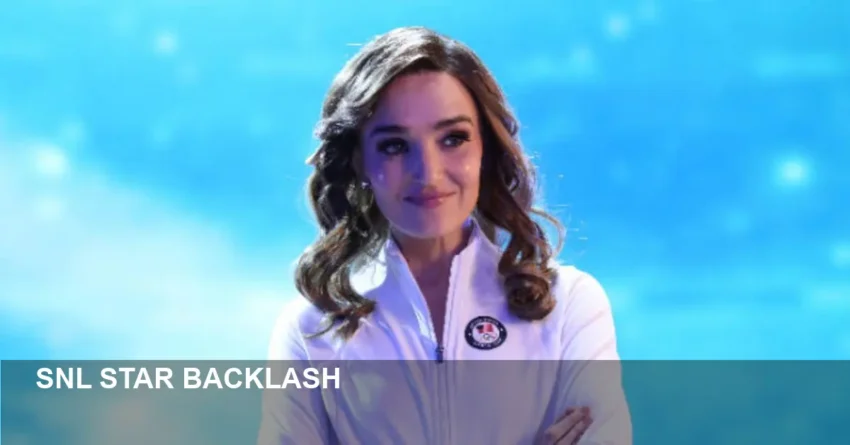
After weeks of social media fury, Saturday Night Live cast member Chloe Fineman is at the center of a controversy over a camp-counselor story she told in a Vanity Fair video that has since been edited.
In the clip, released as part of a lighthearted segment testing how well castmates know each other, Fineman recounts being fired from a summer job at 16. “I was fired as a camp counselor,” she says. “No, I pantsed a boy.” She explains the incident by saying the boy “would lift my shirt all the time” and that she decided to “get back at you” by yanking his pants down while on a hike. Fineman also says she was later rehired.
The version available on Vanity Fair’s YouTube channel was later found to be edited: the line that the child was “like 6” and additional, more explicit details mentioned in the fuller cut do not appear in the posted edit. Clips shared on social platforms—most notably a TikTok highlighting the original footage—amplified the reaction, with viewers calling the anecdote disturbing and accusing Fineman of describing sexual misconduct against a minor.
Co-stars in the segment visibly register shock on camera. Off camera, the response was swift and sharp: commenters labeled the story unacceptable and demanded accountability, while others questioned how such material made it into a published interview in the first place.
This is more than a misplaced joke — it taps into a painful pattern of how offhand celebrity confessions can land. Historically, ensemble shows that trade on improvisation have weathered PR storms before, but the difference now is how fast a single clipped line can be circulated, edited and recontextualized across platforms in hours, not days. That pace raises reputational risks studios and publications must manage more aggressively.
What matters next is ambiguous. Fineman has not issued a public apology attached to the segment (the clip includes no follow-up from her), and Vanity Fair’s uploaded version remains the edited one. Producers or the performer could still release a fuller statement—or the SNL team might respond internally—but as of now the visible fallout lives in social posts and comment threads.
Fans and critics alike are asking questions: was the anecdote a misguided attempt at dark humor, or something more serious? The outrage suggests many viewers see it as the latter—and that casual anecdotes about minors no longer get treated as private, forgivable lapses in a celebrity’s past.
Expect the conversation to continue. Short-term: more scrutiny on the video and whether additional edits surface. Longer-term: conversations about editorial choices for personality-driven interviews and the responsibilities of performers who recount encounters with minors while seeking laughs.