
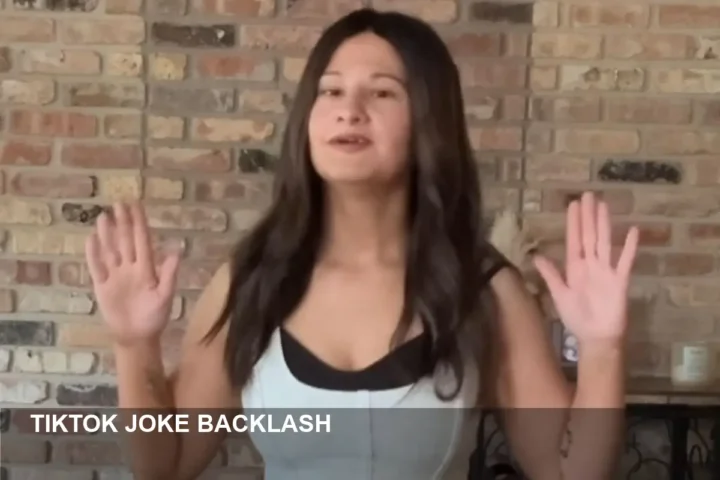
Gypsy Rose Blanchard ignited fresh controversy after a weekend TikTok on influencer Natalie Reynolds’ page in which she made a joke about killing her mother. The clip — part of a “we listen and we don’t judge” challenge — quickly drew sharp criticism and reopened debate over taste, accountability and her past conviction.
What happened in the TikTok
On the video, which appears on Natalie Reynolds’ account, the pair traded candid admissions meant to be judged lightly. When it was Gypsy Rose’s turn she said, “We listen and we don’t judge. I went to prison for eight and a half years because I [killed] my own mom.” Reynolds reacted with shock, saying, “Oh my god,” and Gypsy added, “Hey, we listen and we don’t judge!”
The upload includes the TikTok handle and original audio credit: @nataliireynoldss — “original sound – Natalie Reynolds.”
Public reaction: immediate backlash
Viewers reacted quickly in the video comments, with many calling the remark insensitive or alarming. Sample responses included: “We listen and we call a judge,” “So, this is a confession right??”, “nothing funny about this at all..” and “Imagine her daughter watching this one day.” Other commenters wrote, “That wasn’t cute nor funny smh” and “that’s actually sick.”
The tone of the replies shows the clip landed badly for many, who said the statement was too casual given the real-life tragedy behind it.
Context: the case and what Gypsy Rose served
Gypsy Rose Blanchard was incarcerated from 2015 to 2023 after her role in the killing of her mother, Dee Dee Blanchard. She was charged with second-degree murder. Her then-boyfriend, Nicholas Godejohn, was convicted of first-degree murder and was sentenced to life in prison without parole; he also received an additional 25 years for an armed criminal action charge for using a knife during the killing.
Why this matters now
The video comes after Gypsy Rose’s release in 2023 and amid ongoing public interest in how people who have served high-profile sentences rebuild public lives. Casual or jokey references to violent crimes can reignite trauma for victims’ relatives and lead to renewed scrutiny of a figure who already divides public opinion.
What to expect next
The clip prompted an online debate about boundaries and accountability on social platforms. It’s unclear whether the video will lead to any formal consequences beyond social-media backlash, but the incident is likely to fuel further coverage and discussion around Gypsy Rose’s public appearances and content choices going forward.
Bottom line
A lighthearted-format TikTok turned uncomfortable when a former inmate referenced the crime that put her behind bars. The reaction underscores how quickly social posts can reopen wounds tied to real-world violence, and how creators who court controversy often face swift public pushback.