
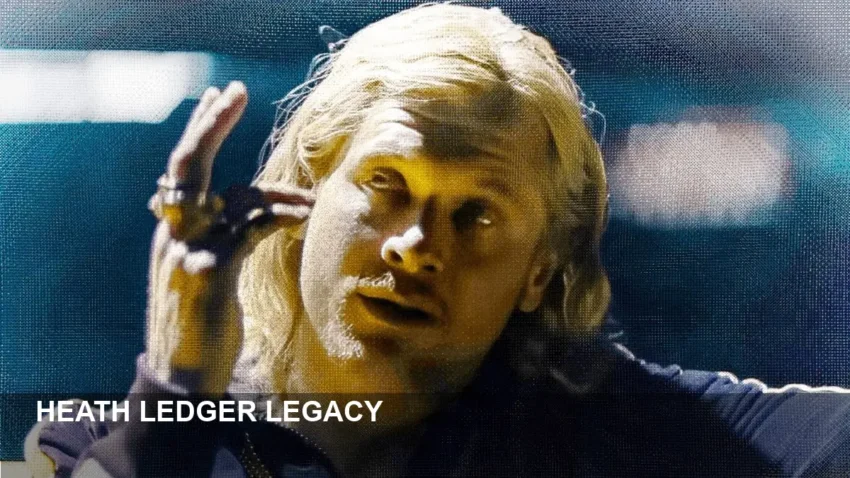
On Jan. 22, 2008 Heath Ledger died at 28, and his performance as the Joker in The Dark Knight reshaped how Hollywood and fans talk about actors, method work and the risks of iconic roles. Eighteen years later that legacy is still driving casting debates — and new names such as Jack O’Connell are being suggested as possible successors to the role Ledger made unforgettable.
Ledger’s final days and lasting influence
Ledger was pronounced dead on Jan. 22, 2008; the medical examiner ruled his death an accidental overdose from a mix of prescription medications. In the months and weeks before his death he had been exhausted physically and emotionally while working and preparing for challenging parts. Friends and colleagues later described a man deeply committed to his craft who often pushed himself to extremes to find a character’s truth.
His Joker — a performance that won a posthumous Academy Award — changed expectations for comic-book villains, proving that a supporting role could be transformative and award-worthy. The performance’s odd rhythms, vocal choices and intense preparation became a touchstone for actors and directors aiming to reinvent genre movies.
Why it still matters now
Ledger’s death and his obsessive approach to acting have become part of the conversation whenever studios recast the Joker or when an actor dives into psychologically demanding work. Fans still gather on anniversaries; fellow actors and filmmakers regularly cite Ledger’s range — from 10 Things I Hate About You to Brokeback Mountain to The Dark Knight — when discussing the craft and the cost of fully inhabiting a role.
From Ledger to O’Connell: the casting conversation
Recent cultural chatter has shifted to who could follow Ledger’s long shadow if studios reboot or recast the Joker. Critics and columnists have floated Jack O’Connell, pointing to his recent turn as charismatic villains in Ryan Coogler’s Sinners and 28 Years Later: The Bone Temple. Those performances — praised for combining menace, showmanship and unexpected charm — have prompted readers and some critics to imagine O’Connell on the kind of stage Ledger once occupied.
Industry observers caution against direct comparisons. Ledger’s Joker remains a singular performance tied to Christopher Nolan’s film and to Ledger’s own methods. Studio creatives such as Matt Reeves and James Gunn have their own visions; any casting conversation will balance an actor’s current profile with the risks of invoking Ledger’s legacy.
Fan and industry response
When Ledger died, fans and colleagues publicly mourned — Michelle Williams wrote, “My heart is broken,” and actors like Gary Oldman and Daniel Day-Lewis paid tribute in awards season remarks. Today, social-media discussions around potential Jokers mix reverence for Ledger with curiosity about fresh takes. O’Connell’s roles have generated memes and strong word-of-mouth, showing how a performer can build momentum toward franchise-level casting.
What’s next
Expect the Joker conversation to resurface with every major DC casting cycle, and on Jan. 22 each year as fans remember Ledger. Studios rarely rush such high-profile decisions; casting announcements typically come with clear creative teams attached. Meanwhile Ledger’s legacy continues through tributes, scholarships and the way actors approach dramatic transformation — a reminder that great performances can inspire and complicate Hollywood long after the credits roll.