
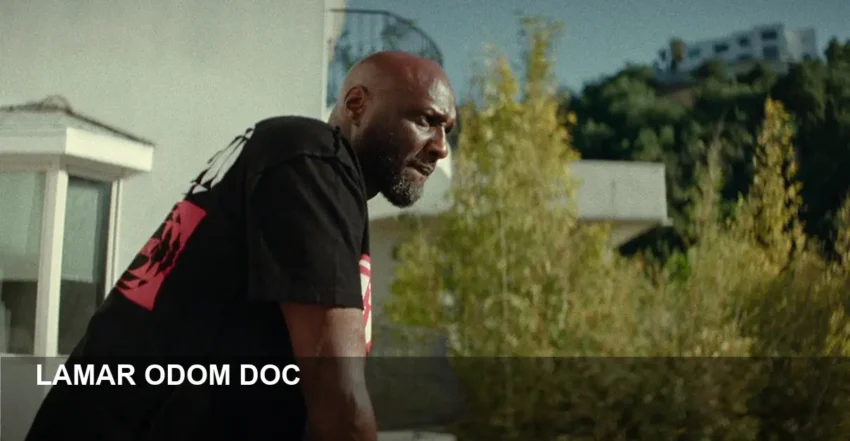
Lamar Odom just re-entered the cultural conversation after Netflix released UNTOLD: The Death and Life of Lamar Odom, a deep-dive that chronicles his basketball peak, marriage to Khloe Kardashian and the near-fatal overdose that almost cost him his life. The documentary makes plain what many fans still ask: yes, Lamar Odom is alive—and he speaks about the collapse and recovery on camera. This film’s provocative title is intentional; the “death” is a near-miss that reframes how streaming platforms turn celebrity crises into long-form reckonings.
The documentary features on-camera interviews with Odom himself, Khloe Kardashian, former teammates like Ron Artest and Odom’s children. In one of the film’s most revealing lines, Odom admits, “this is where I want to be,” explaining how Kardashian’s world shaped his ambitions and, ultimately, his downfall. Kardashian offers an unvarnished account too, saying drug use initially seemed “responsibly done” and describing years of sleepless worry and interventions.
Core facts are laid out clearly in the film: Odom and Kardashian wed Sept. 27, 2009—just 30 days after meeting—and his substance use escalated during their marriage. After a December 2011 trade to the Dallas Mavericks, his life became more combustible. An intervention in July 2015 led to a promised rehab stay, but Odom soon traveled to Nevada and checked into the Love Ranch brothel on Oct. 10, 2015. He was found unresponsive three days later and spent several days in a medically induced coma, suffering multiple strokes and heart attacks—reports in the film cite 12 strokes and six heart attacks. He was never legally declared dead, though the near-fatal emergency was undeniable.
Khloe acted as Odom’s healthcare proxy while he was incapacitated and made crucial decisions during his recovery. After his hospital discharge she continued rehabilitation efforts; the documentary recounts how a later relapse in the home she had rented for him prompted her to file for divorce again on May 26, 2016.
The public reaction has been immediate: viewers are revisiting headlines, search queries about “is Lamar Odom alive” have surged (understandably), and social timelines are filling with clips and clips of testimony. The documentary itself functions as primary evidence—firsthand interviews and contemporaneous detail—so audiences are getting the story from the people involved rather than secondhand summaries.
One industry implication stands out: streaming services continue to mine celebrity crises for long-form empathy-driven narratives that can rehabilitate reputations while driving subscriptions—a pattern that changes how we remember public figures. The Odom film fits that mold but also serves as a rare athlete-focused cautionary tale about the intersections of fame, substance use and mental health.
Where to watch: UNTOLD: The Death and Life of Lamar Odom is available now on Netflix. For viewers, the takeaway is simple and quietly hopeful—Lamar Odom survived one of the most catastrophic medical emergencies an athlete can face, and he tells that story directly in the film. What’s next for him personally isn’t spelled out beyond the documentary, but expect renewed public interest and more conversations about support systems for athletes off the court.