
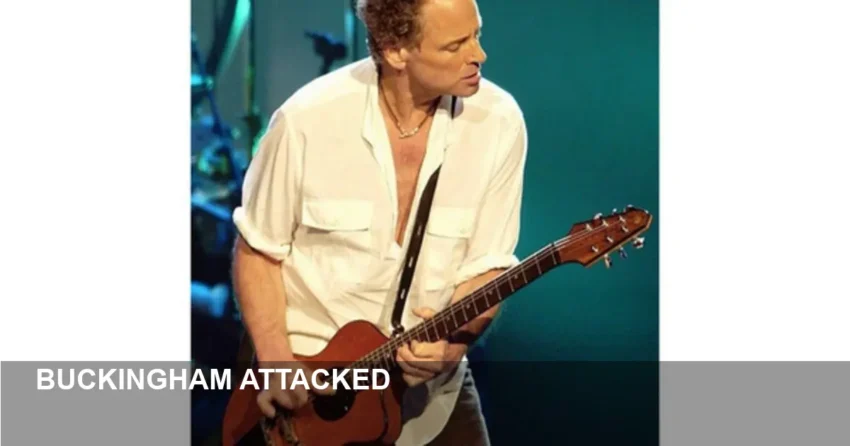
Lindsey Buckingham was reportedly assaulted in Santa Monica on Wednesday, as Los Angeles police opened a formal investigation into an attack that left the 76‑year‑old former Fleetwood Mac guitarist uninjured. This episode underscores a familiar problem for high‑profile artists: court orders can sometimes fail to prevent dangerous, close‑range encounters.
The Los Angeles Police Department said its Threat Management Unit is working with the Santa Monica Police Department on the case. “To protect the integrity of the open and ongoing investigation, no further comment will be provided, at this time,” the department added in a statement.
Police say a woman with a documented history of stalking Buckingham tossed an “unknown substance” from a container as he arrived for a scheduled appointment at a building in Santa Monica. Buckingham was not physically injured, and authorities described the suspect as someone known to the musician from prior incidents; an arrest was not made immediately, though officials indicated one could follow.
Court records show Buckingham won a five‑year restraining order in December 2024 against a woman identified as Michelle Dick, who was ordered to stay at least 100 yards away from him, his wife and his son. That protection followed multiple allegations—repeated calls, loitering at family homes, and what Buckingham described as threats of violence (court filings say a detective called the subject “dangerous and mentally unstable”).
How did she learn his appointment time? Police believe the suspect monitored Buckingham’s movements and located where and when he would be arriving, which is why the Threat Management Unit was assigned to the probe. The investigator’s involvement signals the incident was treated as part of an escalating pattern rather than an isolated disturbance.
Buckingham, who joined Fleetwood Mac in the mid‑1970s and co‑wrote hits such as “Go Your Own Way,” shared an optimistic note on Instagram last week about a Fleetwood Mac documentary in the works and his solo work: “I am still very, very grounded in my creative life,” he wrote, adding that a new solo album is nearly finished. The post serves as a reminder that, despite legal and health setbacks in recent years, he has continued to perform and record.
Fans and industry colleagues reacted quickly online, with a flurry of concern on X and other platforms—many urging respect for artists’ privacy while others called for swifter enforcement of protection orders. Public attention also reflects a broader pattern: celebrities facing persistent stalkers has led law‑enforcement units to adapt new threat‑management practices and for some performers to increase personal security.
What’s next: investigators from both departments said they will continue following leads and that further updates will be limited while the inquiry proceeds. For Buckingham, the immediate steps are likely to include renewed security measures and potential follow‑up filings in court; for law enforcement, the case will test how quickly civil protections can be translated into preventive action.