
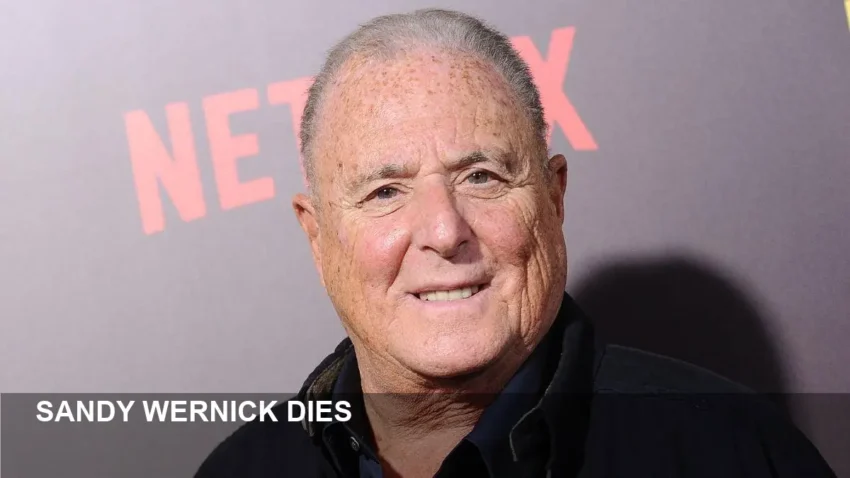
Sanford “Sandy” Wernick, a Brillstein Entertainment partner and the longtime manager behind Adam Sandler and a host of comedy and TV stars, died Thursday at 86 in Rancho Mirage, Calif., after a brief illness. His death marks the loss of a behind-the-scenes figure who helped shape modern television comedy and launched lasting careers.
Who was Sandy Wernick?
Wernick rose from the mailroom at MCA to become one of Hollywood’s most influential talent executives, later serving as vice president of TV at ICM before moving into talent management in the 1970s. He became partner and senior executive vice president at Brillstein Entertainment Partners, where he worked on packaging, producing and managing clients across TV and film.
Born March 22, 1939, in the Bronx and an NYU graduate, Wernick also served in the U.S. Army from 1960–1962. Over decades he worked on or helped package numerous landmark shows including Saturday Night Live, The Sopranos, The Larry Sanders Show, The Muppet Show, NewsRadio, Just Shoot Me, Alf and The Goldbergs. He was co-creator and executive producer of Def Comedy Jam and executive produced hit Sandler films such as Happy Gilmore, Billy Madison, The Wedding Singer and Bulletproof.
His relationship with Adam Sandler
Wernick signed Adam Sandler as a client when Sandler was 22, just before the comedian’s debut on Saturday Night Live. Their professional bond lasted for decades; Sandler later immortalized a version of his manager in the Netflix film Sandy Wexler. While promoting that film, Sandler described Wernick this way: “This guy Sandy is like my family. I love him more than anything and he is a very sweet guy,” adding, “He’s been with me since I was a young boy.”
Industry impact and legacy
Wernick’s fingerprints are on both the talent side and production side of entertainment. As a manager he represented a diverse roster that included comedians and creators such as Rob Schneider, Colin Quinn and many television writers and producers. As an executive and packager he played a role in bringing together talent and projects that became cultural touchstones.
His blend of client advocacy and production savvy helped shape careers and television lineups across multiple decades. The industry often remembers people like Wernick not for marquee name recognition but for their ability to connect creators, scripts and executives — the work that turns projects into hits.
Reaction and what’s next
Tributes from colleagues and clients are expected to follow as the comedy and TV communities respond to his passing. Wernick is survived by his wife of 64 years, Barbara, children Michele and Barry, daughter-in-law Jillian, grandson Sammy, sister Joyce and extended family.
In the coming days audiences can likely expect statements from former clients and industry partners, and retrospectives on the projects he helped bring to life. For many performers and producers, his death is a reminder of the vital role managers and packagers play in building careers and shaping entertainment history.