
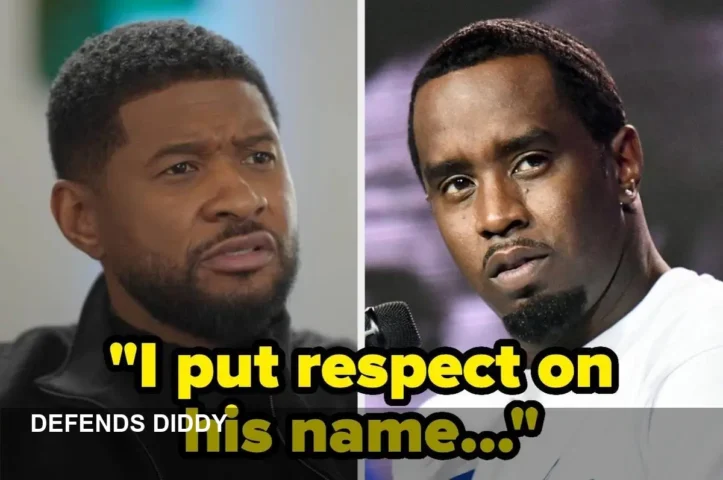
Usher is publicly defending his former mentor Sean “Diddy” Combs, calling the music executive “misrepresented” and a “legacy” figure — comments that have drawn sharp criticism as Combs serves a federal prison sentence following his 2025 conviction.
What Usher said and when
In a recent interview with Forbes’ The Enterprise Zone, Usher spoke about Combs’ role in music and business, saying he had “nothing negative to say” based on his personal experience and that many people have benefited from what Combs created. He described Combs as a legacy figure whose influence turned culture into business.
Usher acknowledged that no one is perfect but argued the public narrative around Combs has been skewed. The R&B star also referenced his early mentorship under Combs, noting that his own experiences with the mogul differed from the stories circulating in the press.
Legal context: Combs’ conviction and sentence
The comments come after a high-profile trial in 2025. In July 2025, jurors convicted Combs on two federal counts related to transporting individuals for prostitution; he was acquitted of other charges. In October 2025 he received a 50-month prison sentence. Reports say he has credit for time served and had an initial projected release in May 2028 that was later adjusted to June 4, 2028.
Why this matters now
Usher’s defense arrives while Combs remains a polarizing figure — credited by many for shaping hip-hop business models, while also facing criminal convictions and ongoing civil suits. Usher’s words reopen debate about how to weigh creative influence against allegations and convictions of harm.
Public reaction: fans and critics
Reaction on social media was immediate and intense. Critics accused Usher of minimizing victims’ experiences; one user posted, “Acknowledging someone for their music contributions doesn’t change the fact that they’re abusive pieces of s— in their personal lives lol cmon man.” Another wrote, “Women and men were beaten up and sexually assaulted!!! Wtf is wrong with American society and sanitizing monsters?”
Other commenters focused on Usher’s language: “‘Misrepresented’ is such a slap in the face to the victims,” one person wrote, while another noted the existence of video evidence as a counterpoint to Usher’s claim.
Background and next steps
Usher has previously spoken about his time around Combs; a 2016 appearance on Howard Stern saw him describe being exposed to an extravagant lifestyle he found hard to fully understand. The Forbes interview is the most recent public defense and could shape how industry peers and fans talk about accountability, legacy and mentorship in music.
For audiences, expect ongoing conversation: civil suits tied to Combs remain active, and public debate over how to separate — or whether to separate — an artist’s cultural contributions from criminal behavior will likely continue. Usher’s stance may also prompt further statements from others who worked with Combs.