
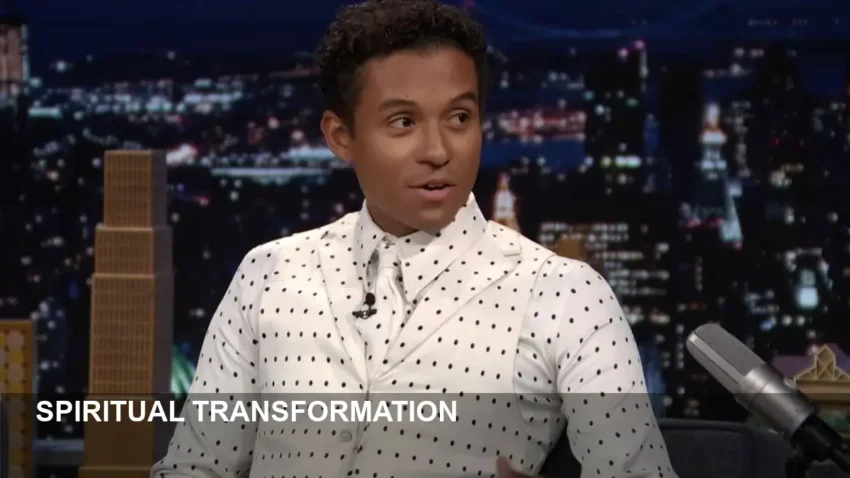
Jaafar Jackson’s performance in Michael opens in theaters April 24, and the actor says the first time he saw himself fully made up as his late uncle was “really a surreal, a spiritual moment.” This is not just family casting—it’s a carefully staged, emotionally charged transformation that the production leaned into from day one.
Jackson, 29 and the son of former Jackson 5 member Jermaine Jackson, described the experience Thursday on The Tonight Show with Jimmy Fallon, crediting Oscar-winning makeup designer Bill Corso for the meticulous work that turned him into Michael Jackson. “Just that process of seeing me slowly transform into Michael, it was emotional,” he told Fallon—recalling hours in the makeup chair and the first look in the mirror.
He says the filmmakers threw him “right in the deep end” on day one: the initial shoot had him recreating the iconic “Bad” performance, and the production staged several of Michael’s legendary routines during the movie’s opening weeks. Jackson also performs hits such as “Billie Jean” and “Thriller” in the film, with the “Thriller” sequence reportedly filmed at the same location Michael used in 1983 (the shoot ran through the night; on one take the crew says a full moon rose over the set).
Jackson’s path to the lead was gradual. He told Fallon he never aspired to act—he grew up wanting to play golf—yet producer Graham King arranged coaching and pushed for a multi-year audition process, one that required Jackson to earn the role across an extended period before it was confirmed. The result is his screen acting debut, a leap from singer and family member to the center of a major studio biopic.
Reactions online were immediate after NBC aired a first clip from the film; the segment and a short excerpt of behind-the-scenes footage circulated widely by Friday morning, stirring conversation about authenticity, performance and the ethical questions that often follow high-profile portrayals of living or recently deceased icons.
One industry implication is clear: casting a direct relative brings a built-in emotional shorthand and visual familiarity that can deepen audience connection, but it also raises expectations for fidelity and scrutiny over casting decisions—especially for a figure as scrutinized as Michael Jackson (this production faces exactly that dynamic). That tension could shape how critics and fans judge the film when it opens.
What’s next: Michael hits theaters April 24. Expect more clips, interviews and likely social media debates as audiences see the full performances and makeup work that Jackson described on Fallon. For viewers wondering how close the portrayal will feel—be prepared for a deliberate attempt at authenticity, and a performance that the filmmakers have been building toward for years.