
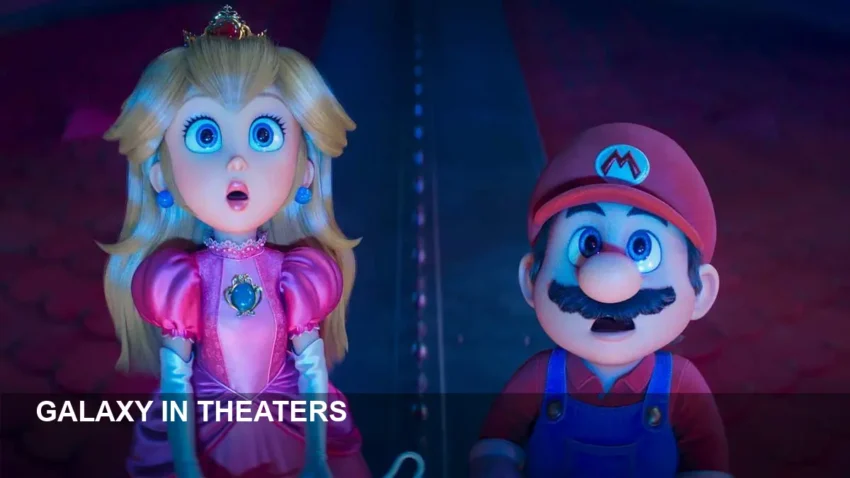
The Super Mario Galaxy Movie just opened in theaters in April 2026, arriving as a blockbuster-sized commercial spectacle that has critics, parents and satire sites all talking. This sequel leans hard into nostalgia and merchandising—proof that video-game IP remains Hollywood’s safest bet even when reviews are rough.
The film, produced by Nintendo in partnership with Illumination, follows a sprawling plot that splits time between Princess Peach, Mario and Luigi, and a new central thread around Bowser Jr., who assembles a high-tech army and abducts Princess Rosalina. The voice cast includes returning and new names — Chris Pratt and Anya Taylor‑Joy among the leads, Jack Black and Charlie Day back in franchise roles, with Benny Safdie voicing Bowser Jr. and cameos from Brie Larson, Donald Glover and Glen Powell.
Critics have been blunt. Many complain the movie functions more as an extended toy commercial than as cinema: rapid-fire cameos, a kaleidoscopic visual assault and a narrative that reviewers described as pinball-like in its pacing. One common line of criticism centers on the film’s dense, color-saturated design (the casino sequence is repeatedly singled out), and another on how easily familiar Nintendo characters are reduced to merchandising-friendly moments rather than developed roles.
Parents’ outlets and family reviewers add a different angle: content guidance. They note a PG rating and flag scenes of frenetic action, some mildly intense peril and frequent franchise references that younger viewers might not follow. If you’re taking younger children, expect a sensory-heavy experience and plenty of nods that land only if you grew up with the games (or bring your nostalgia radar).
Then there’s the cultural response. Satirical outlets have piled on, lampooning the movie’s decisions and quoting absurd lines as part of the joke. That mix of earnest fandom, commercial intent and parody has generated an unusual kind of social buzz—part criticism, part cultural event. Fans and families, meanwhile, are already debating online whether the film’s spectacle is worth the ticket price.
Here’s an original take: this sequel is less a creative retreat than a strategic one—studios are monetizing beloved IP with lower narrative risk, banking on franchise recognition to drive box office and ancillary sales. Historically, that has paid off; look at the 2023 Super Mario Bros. entry’s commercial returns. But prioritizing repeatable licensing moments over character depth can erode long-term brand goodwill if audiences feel consistently shortchanged.
What comes next? The studio’s promotional tour suggested a multi-platform rollout will follow, but an official streaming window has not been announced. There are also post‑credits whispers—so sit through the lights (and maybe the trailers) if you’re curious. Whether families flock to theaters or wait for home viewing will be an early test of how much nostalgia still translates into dollars.