
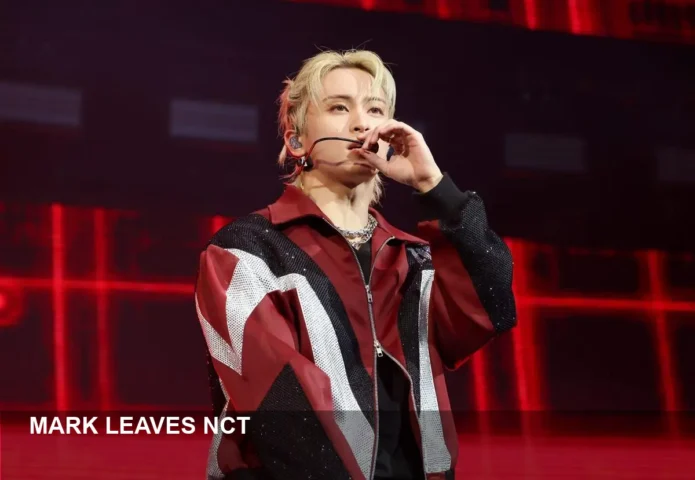
Mark Lee just announced he is leaving NCT on April 8, marking the end of a decade-long run with the SM Entertainment collective. By stepping away after a world tour and a 2025 solo album release, he leaves at a moment of high visibility that could shape how his solo career launches.
SM Entertainment confirmed in an official statement that Mark—who joined the company as a trainee in 2012 and debuted with NCT U in 2016—has mutually agreed to conclude his exclusive contract effective April 8. The agency said he will end all activities with the NCT umbrella, including NCT 127 and NCT Dream.
Mark posted a handwritten-style letter in both English and Korean to fans (the note was shared publicly on his channels), thanking supporters and explaining his feelings. “Out of all the things my heart wants to say right now, I truly wish to say thank you,” he wrote, adding that he views this as an opening rather than a closing. He also promised to work hard to make his decision make sense to fans and insisted he was not “playing with your guys’ hearts.”
The agency spelled out how the subunits will move forward: NCT 127 will continue as a seven-member group with Johnny, Taeyong, Yuta, Doyoung, Jaehyun, Jungwoo and Haechan; NCT Dream will proceed as a six-member lineup made up of Renjun, Jeno, Haechan, Jaemin, Chenle and Jisung. The company also praised Mark for his contributions both within the group and as a solo artist.
Mark rose through the SM Rookies system and quickly became a core NCT presence, balancing roles in multiple subunits while also releasing a solo album, The Firstfirst, in April 2025. He closed the recent NCT Dream world tour with a six-show run in Seoul just days before the contract conclusion became official.
Fan reaction was immediate. Czennie—the fandom—flooded social feeds with gratitude and heartbreak, sharing clips from concerts and quotes from his letter. Industry observers noted this is a timed exit: leaving on the heels of touring and a solo record gives an artist momentum rather than the quieter fade that often precedes a split.
What comes next for Mark is still unknown—will he pursue independent projects, seek a new label, or focus on international markets? His statement stopped short of revealing next steps, which creates both anticipation and speculation.
One industry implication is clear: as K-pop careers mature, more multi-unit idols may choose defined solo paths earlier, leveraging global tours and streaming traction to negotiate new deals. Historically, departures from large collectives can reshape both the artist’s brand and the groups they leave—expect management teams to tighten messaging and for fans to watch every update closely.
SM Entertainment did not provide further details beyond the contract termination and the revised lineups. For now, Mark’s message to fans remains the central signal: gratitude, a promise to work hard, and a belief that this is an opening door. The next formal announcements—whether about solo releases, overseas activity, or a new management partnership—will be closely watched.