
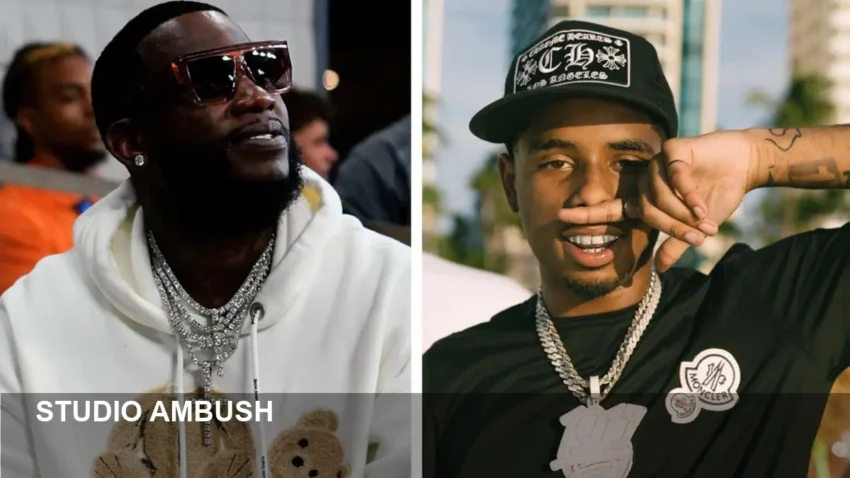
Federal prosecutors announced April 2, 2026 that Pooh Shiesty and Big30 were charged in an alleged kidnapping and armed robbery of Gucci Mane, marking a rare federal prosecution involving well-known rap figures. The case highlights how surveillance, phone and electronic monitoring data are increasingly decisive in criminal music-industry disputes.
The Department of Justice says the incident occurred on January 10 in a Dallas recording studio after Lontrell Denell Williams Jr. — known professionally as Pooh Shiesty — arranged a meeting to discuss his recording contract. Prosecutors allege the meeting was a setup: Williams Jr. produced an AK-style pistol and forced at least one victim to sign a release from a label agreement, while Rodney Wright Jr., known as Big30, purportedly blocked the studio door to keep victims inside. Other men then displayed firearms and took Rolexes, jewelry, cash and other valuables; the complaint says one person was choked nearly to unconsciousness.
Authorities say eight of nine suspects have been arrested in Nashville, Memphis and Dallas. Detained individuals include Williams Jr., his father Lontrell Williams Sr. (a Memphis figure referred to in filings as “Mob Boss”) and Big30. Prosecutors told a judge they will move to transfer the defendants to the Northern District of Texas to face federal charges — charges that carry potential sentences up to life in prison if convictions are secured.
Federal filings and the complaint rely on multiple strands of primary evidence: GPS and electronic monitoring data that placed Williams Jr. at the studio (he was reportedly on home detention at the time), phone records, surveillance footage from the venue, fingerprints recovered at the scene, car rental records and social-media posts that allegedly depicted stolen watches and jewelry. A widely shared post also circulated an image prosecutors say shows a coerced release form for a recording contract, and DOJ officials cited that material during their announcement.
Plain facts aside, there are broader implications. If proven, this case could prompt labels and studios to tighten vetting and security protocols around in-person contract meetings — an operational shift that would echo other industries where high-value negotiations now come with formal security plans. (Studios have long relied on informal trust; that may no longer suffice.)
The hip-hop community reacted quickly on social platforms, with many fans and fellow artists expressing shock and demanding updates. Gucci Mane — Radric Davis — has not publicly addressed the allegations; authorities say there is currently no indication he remains in danger. Still, the high-profile nature of the suspects and the severity of the alleged conduct have amplified calls for transparency from both law enforcement and the artists’ teams.
What happens next: magistrate hearings and transfer proceedings are expected in coming days as federal prosecutors prepare their case in Texas. Defendants will enter initial appearances, and discovery will reveal more of the surveillance and phone evidence prosecutors referenced. Will this prosecution change how business is done in hip-hop? It may well — and it will certainly be watched closely by labels, artists and lawyers alike.