
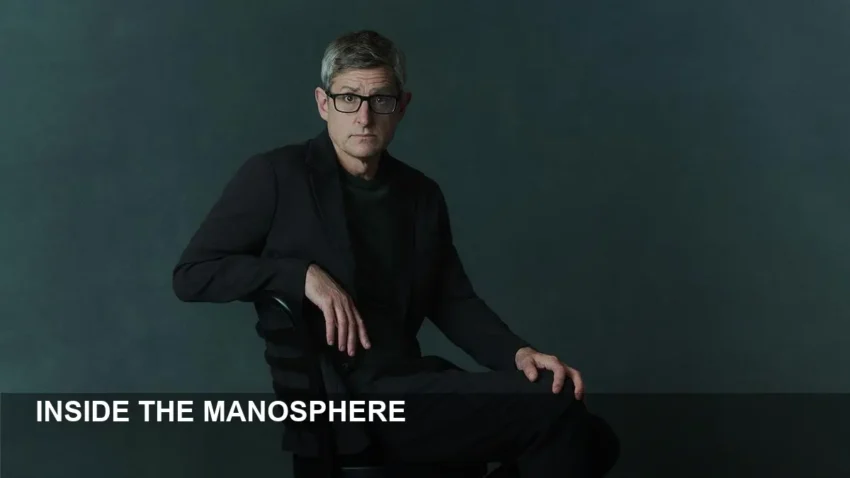
Louis Theroux’s new Netflix film probes the men and mechanics behind online misogyny
Louis Theroux’s feature documentary Inside the Manosphere is now streaming on Netflix. The film embeds the long‑time documentarian with a handful of influential “manfluencers,” showing intimate home scenes and probing the personal histories that shape their public personas — and raising fresh questions about who gets a platform online.
Who, what and why it matters
Theroux spends extended time with a set of online personalities — including Harrison Sullivan (hstikkytokky), podcast host Myron Gaines of Fresh & Fit, streamer Sneako, influencer Ed Matthews and entrepreneur Justin Waller — following how they build audiences, monetize controversy and cultivate loyal followings of mostly young men.
Rather than centering polemic or spectacle, Theroux focuses on family backgrounds and domestic life: conversations with girlfriends, partners and mothers, and scenes that underline how performances of toughness can mask insecurity. As Theroux puts it, he often sees “projections of strength as confessions of weakness.”
Why Andrew Tate doesn’t appear
Notably absent are Andrew and Tristan Tate, two of the most notorious names linked to manosphere culture. Theroux says he contacted them during filming; according to the director, Tate hinted he might only participate if paid — “maybe I’m going to do it if you pay me” — and at one point challenged Theroux’s relevance with a Google Trends comparison. Theroux joked that he screenshot the chart and told Tate he was “literally more relevant than you are.”
The Tates’ absence has not stopped critics and viewers from seeing their influence in the film: Theroux frames Tate as a central reference point for the movement even if he does not appear on camera.
Reception, critique and the broader conversation
Critics have praised Theroux’s steadier, less naive approach and his willingness to show domestic scenes that reveal contradictions in these men’s lives. But some reviewers fault the film for not following through on the consequences for women: fewer voices from teachers, young women and those affected by the movement appear on screen, leaving a gap in the film’s interrogation of harm and social impact.
The documentary also surfaces the commercial logic behind these personalities: inflammatory content that draws attention often feeds subscription products, coaching schemes and other revenue streams targeted at young men.
Context and what’s next
Theroux’s film lands amid ongoing legal and cultural developments. In the U.K., Andrew Tate faces a lawsuit scheduled for June 2026 brought by four women alleging rape, sexual assault and coercive control; Tate denies the claims. Meanwhile, the film’s release has reignited conversations about platform responsibility, algorithmic amplification and whether policy — not just parenting — must play a larger role in limiting harms.
Audiences can expect an observational, sometimes uncomfortable portrait rather than a prosecutorial takedown. For viewers wanting more on the victims’ side, that conversation is likely to continue in follow‑up reporting and other documentaries — and it may be the film’s most important legacy: sparking debate about what’s amplified online and who gets to define relevance.