
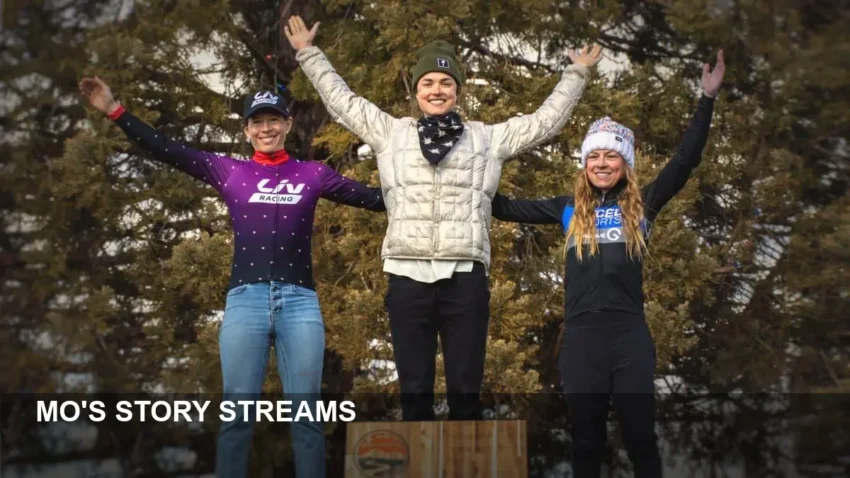
Netflix has added Marina Zenovich’s documentary The Truth and Tragedy of Moriah Wilson to its streaming catalog, renewing national attention on the 2022 killing of 25‑year‑old cyclist Moriah “Mo” Wilson. The film foregrounds Mo’s life as much as the crime — a choice that helps restore a person to public memory, not just the headlines.
The documentary includes primary evidence — notably the 911 call from the night Moriah was found unresponsive — and walks through investigators’ findings: surveillance footage that placed a black Jeep near the scene, ballistics tying the murder weapon to a firearm purchased for Colin Strickland, and a pattern of jealous communications that directed detectives toward Strickland and, ultimately, his on‑and‑off girlfriend, Kaitlin Armstrong.
Wilson was killed on the night before a race in May 2022 (she was 25). Police say she suffered multiple gunshot wounds. The U.S. Marshals tracked Armstrong to Santa Teresa, Costa Rica, where she was arrested on June 29, 2022 after a 43‑day manhunt; she was extradited and, after a three‑week trial, convicted of first‑degree murder and sentenced to 90 years on Nov. 16, 2023. Armstrong is serving her sentence at the Dr. Lane Murray Unit in Gatesville, Texas.
Zenovich’s film — which premiered at SXSW — interleaves Mo’s home movies, interviews with family and friends, and reporting on the investigation. Mo’s parents appear throughout, describing their daughter’s competitive drive, daily gratitude lists and love for cycling; they also discuss creating the Moriah Wilson Foundation and the annual Ride For Mo fundraiser, scheduled this year for May 9. Filmmakers say they reached out to Armstrong in prison; she did not respond, while Colin Strickland agreed to be filmed but declined formal interviews.
What does the film change? It shifts the frame from spectacle to personhood. The documentary’s intent is clear: to memorialize Mo while laying out the police work — forensic links, surveillance, witness accounts — that unraveled the crime. This emphasis follows a recent trend in true‑crime that centers victims and community response rather than treating cases as puzzles for viewers to solve — and that framing can alter public sympathy and even influence how authorities and legislatures approach stalking and intimate‑partner violence.
Reaction to the Netflix release has been emotional and thankful: family members say viewers now “know” Moriah beyond headlines, and community members praised Austin law enforcement’s commitment during the investigation. The film also refreshes key case moments for viewers — the confrontation over a brief relationship between Mo and Strickland, Armstrong’s Jeep near the apartment, the gun purchase, the Costa Rica escape and capture — all laid out in chronological detail.
For viewers who want to watch, Netflix’s listing shows the film is available to stream now. For the Wilson family, the documentary is another way to keep Mo’s life in the foreground while their foundation channels grief into action — racing, community building and remembrance. Could that shift in storytelling change how future cases are covered? Many who worked on or watched the film think it already has.