
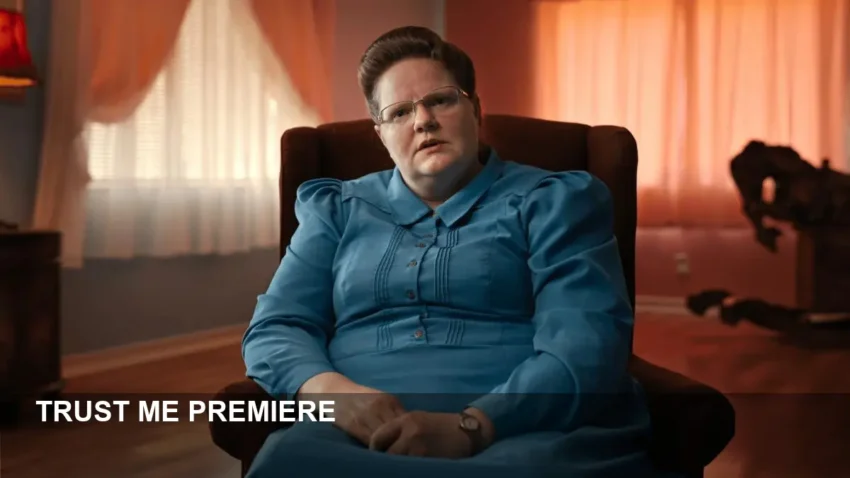
Netflix will premiere Trust Me: the False Prophet on April 8, a four-part docuseries that traces how the FLDS community—already reeling under Warren Jeffs’ shadow—fell prey to a new, violent figure. This release extends Rachel Dretzin’s reporting into the FLDS world and signals a growing use of technology in nonfiction storytelling (and its ethical trade-offs).
The series assembles undercover footage shot over several years inside Short Creek, Utah, by Christine Marie and Tolga Katas—two outsiders who embedded with Sam Bateman’s household and filmed him and his wives from 2019 through his 2022 arrest. Netflix confirmed the April 8 date; Dretzin, who revisits the FLDS after her earlier work, integrated that material into a broader narrative about coercion, control and the gaps left when a dominant leader like Warren Jeffs (convicted in 2011 of sex crimes and serving a life sentence) is removed from power.
Dretzin tells viewers she felt compelled to return—“I knew I wasn’t done after Keep Sweet”—and the series gives voice to women who remained inside or nearby the community. Two former followers, identified in the series as Julie and Naomi (known as “Nomz”), speak on camera about Bateman’s manipulation; prosecutors later convicted eleven of Bateman’s adult followers on charges tied to child sexual abuse conspiracy. The footage is intimate and, at times, jarring—the filmmakers describe music videos, staged performances and a level of documentation by Bateman that undercut the secrecy you’d expect in such an insular group.
One of the series’ most discussed technical choices is the use of AI to conceal the faces of nine minors while preserving emotional nuance. Dretzin says the process took roughly nine months and combined machine tools with human oversight; she defends the technique as a “protective and constructive way” to show what happened without exposing victims. This marks a notable moment for documentary practice—filmmakers are increasingly turning to synthetic techniques not to fabricate, but to protect, and that will likely influence festival standards and platform policies going forward.
There is also unsettling continuity: even from prison, Jeffs’ edicts and the community’s obedience structure left many residents vulnerable to a charismatic successor who promised marriage and children after Jeffs’ restrictions. Dretzin and the undercover couple say many adults in the group still speak to Sam and to one another in ways that reinforce his claims—yet some within the community rejected Bateman outright and helped bring him down. How did an absence of leadership create fresh openings for abuse? The series argues that isolation, ingrained obedience and the longing for family were the perfect conditions.
Reaction already threads across social platforms: advocates and former FLDS members are expected to appear in post-release interviews, and the filmmakers say they continue to work with participants to help navigate sudden public exposure. What’s next: viewers can watch all four episodes on Netflix starting April 8, and the conversations this series sparks—about safeguarding subjects, the limits of undercover work, and the ethics of AI in nonfiction—are likely to be the documentary world’s springboard this year.