
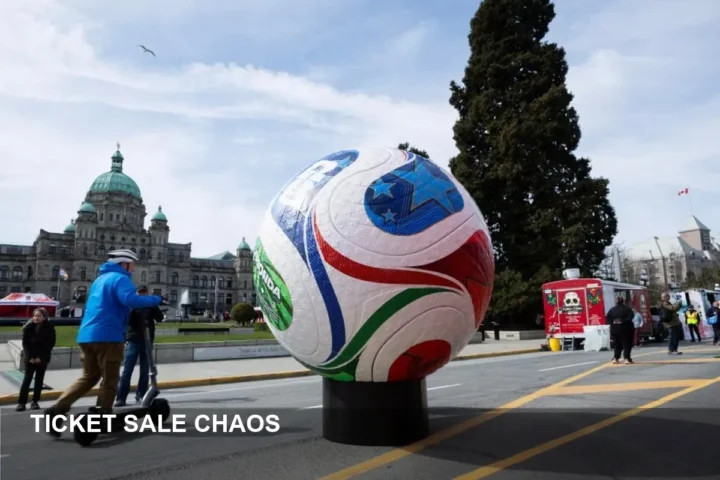
FIFA just resumed last-minute World Cup ticket sales on April 1, marking the first time fans could buy specific seats directly — and the launch was hampered by site misdirections and long waits.
The governing body directed buyers to FIFA.com/tickets at 11 a.m. ET for what it called a “Last-Minute Sales Phase,” but many users were routed into a separate queue labeled “PMA late qualifier supporters sales phase” and reported pauses of 90 minutes or more before the site began moving again (and some fans said they waited even longer).
FIFA acknowledged the early disruption, saying around noon that links were working properly and that not all remaining tickets would be released at once—tickets will be put out on a rolling basis through the tournament. The association also reiterated that this phase, which runs through the World Cup, is the first where buyers can select exact seats rather than submit a category request.
Fans vented on X (formerly Twitter) and other platforms with comments ranging from frustrated to incredulous. “Has anyone had any luck with the Last Minute FIFA World Cup tickets sale? I’ve been on the same queue page for 15 minutes…” read one post; others called the rollout an “absolute joke.” The initial traffic spike appears to have overwhelmed parts of the system, with FIFA saying the site had normalized later in the day.
The 2026 World Cup will be the largest in history: 48 teams, 104 matches across the U.S., Mexico and Canada from June 11 to July 19, with tickets previously priced between $140 and $8,680 in the month-long sales phase after the Dec. 5 draw. FIFA is using dynamic pricing and will operate an official resale marketplace — opening April 2 — that charges 15% to both buyer and seller.
Consumer groups and some lawmakers have already raised alarms about affordability. In March, 69 Democratic members of Congress urged FIFA President Gianni Infantino to reconsider dynamic pricing, calling it at odds with FIFA’s mission to make soccer accessible worldwide. Fan organizations have also filed a complaint with the European Commission over soaring resale costs.
Why does this matter beyond one bad morning of website traffic? Because this is the first World Cup where seat selection, dynamic pricing and an official resale market converge at scale. That mix increases the stakes for platform reliability and could push more buyers into third-party resellers if official channels falter—raising prices and regulatory scrutiny simultaneously. Compared with previous tournaments’ draw-based systems, this real-time buying model magnifies both convenience and potential frustration.
What’s next: FIFA says remaining tickets will be released incrementally, and its resale marketplace will open April 2 for fans who can’t attend matches or want to resell. For supporters still trying to get tickets, the practical advice is simple: refresh FIFA.com/tickets regularly, expect queues during major match drops, and consider the official resale channel before turning to secondary markets. Who benefits when demand vastly outstrips supply?