
Introduction — one word tying very different headlines: tank
The word “tank” has shown up this week across very different headlines: Mark Cuban’s blunt takedown of NBA “tanking” and rule ideas, a think‑tank warning that Iran could fire repeated missile salvos at Israel, and open‑source reporting that anti‑tank scatterable mines may have been dropped over a village near Shiraz. Each story is separate, but together they show how one term can mean entirely different risks — from sports economics to battlefield hazards.
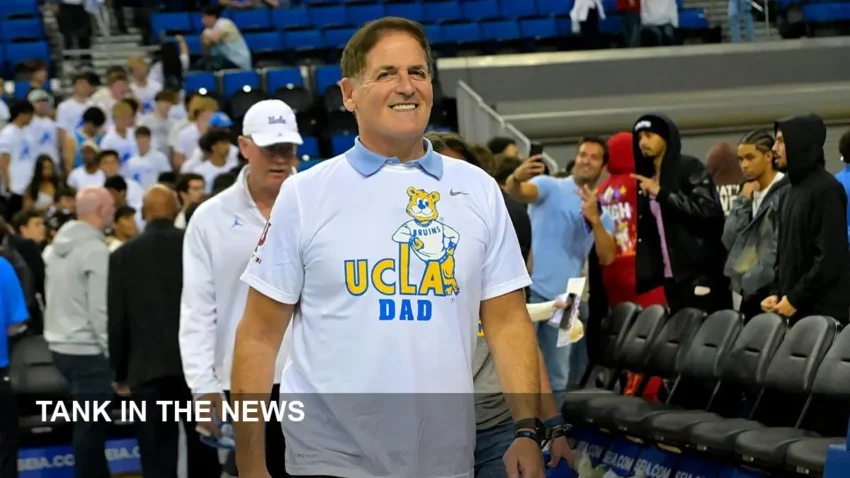
Mark Cuban fires back at the NBA’s tank problem
Shouting through social media, Mavericks owner Mark Cuban argued the NBA’s tanking problem is baked into the league’s economics. He wrote that “a good player on a rookie contract is the most valuable asset in the nba,” and said teams deliberately stockpile draft picks because those low‑cost players are the easiest route to contention.
Cuban offered specific fixes he says would limit intentional losing: restrict how many first‑round picks teams can trade or hoard; limit the playoff eligibility of players released after the trade deadline who sign for more than the midlevel exception; and curb back‑to‑back cap‑room usage. He also floated a scheduling change — cutting games to 40 minutes (aligning with college, WNBA and international play) to reduce season grind and fit cleaner TV windows.
Those proposals would require players’ approval under the CBA, Cuban acknowledged, and he warned that clever trades can still defeat rule changes. The debate matters because any change could reshape roster construction, competitive balance and viewing habits.
Think tank: Iran may use repeated missile salvos to wear down civilians
On March 28, 2026, the Institute for the Study of War (ISW) reported Iran may be launching smaller missile salvos spread across the day to impose psychological pressure on Israeli civilians — forcing repeated trips to shelters rather than large, concentrated barrages. ISW said this pattern likely reflects degraded Iranian ability to launch sustained, large‑scale strikes and noted U.S. and allied efforts to disrupt Iranian missile capabilities.
The report also highlighted strikes attributed to the IDF on March 27 against Iranian nuclear‑related facilities and U.S. Central Command footage showing attacks on equipment near underground launch sites, which together signal continued military pressure and a risk of further escalatory steps.
Open‑source group alleges U.S. anti‑tank mines dropped over Iran
Bellingcat and media reporting said images circulating on social media showed BLU‑91/B scatterable anti‑tank mines in the southern suburbs of Shiraz. Iranian state outlets described “explosive packages” the size of tuna cans and reported civilian casualties after people handled the devices.
Human Rights Watch adviser Richard Weir warned these anti‑vehicle mines are dangerous to civilians: although designed to detonate under vehicles, they can explode if disturbed and carry a self‑destruct timer that could still allow detonation hours or days later. Weir said such devices are rare and their use tends to cause lasting harm to communities.
Why it matters now
The stories matter for different reasons: Cuban’s ideas could lead to rule changes affecting millions of NBA viewers and decades‑old CBA bargaining; the ISW warning signals shifts in tactics that increase civilian stress and uncertainty; and the alleged use of scatterable anti‑tank mines raises immediate humanitarian and legal concerns.
Expect more debate: in sports, potential rule proposals and player‑union reactions; in the Middle East, further ISW and military updates and possible investigations into the reported munitions. For audiences, the takeaway is simple — one word, many stakes: from competitive balance in basketball to civilian safety in conflict zones.