
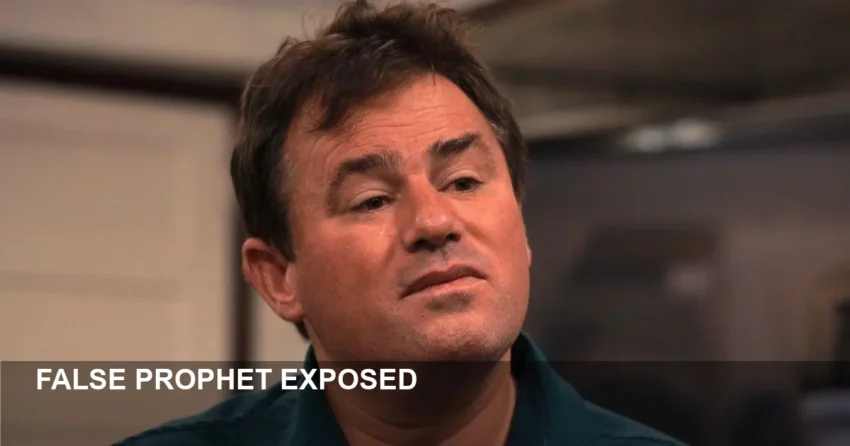
Samuel Bateman is the focus of Netflix’s new four-part docuseries Trust Me: The False Prophet, which premiered in April 2026, marking fresh, wide-reaching attention to abuses inside the Fundamentalist Church of Jesus Christ of Latter-Day Saints. The release follows years of embedded reporting and a 2024 federal conviction that left Bateman facing decades behind bars — and it reframes how streaming investigations can accelerate scrutiny of closed communities.
The series is built on footage shot by cult researcher Christine Marie and her husband, videographer Tolga Katas, who moved to Short Creek, Utah, in 2016 to document life inside the FLDS and began filming Bateman and several of his wives from 2019 through 2022, Netflix’s Tudum reports. Marie told Tudum, “When we moved here, we didn’t intend to do a documentary at all,” explaining the pair’s gradual decision to record what they saw; director Rachel Dretzin adds the film seeks to “expose both the violence that enforced secrecy enables and what it takes to tell the truth.”
Who is Bateman? After longtime FLDS leader Warren Jeffs was imprisoned, Bateman began styling himself a prophet and split from portions of the main FLDS group, collecting followers and orchestrating group sexual encounters, according to the documentary. Filmmakers and the series say he entered more than 20 spiritual marriages (not legal marriages) — at least 10 of which involved girls under 18, some reportedly as young as 9 — and engaged in sexual relations with those “spiritual wives.”
Legal records confirm the criminal outcome. Bateman was taken into federal custody in September 2022; by April 2024 he pleaded guilty to Conspiracy to Commit Transportation of a Minor for Criminal Sexual Activity and Conspiracy to Commit Kidnapping, and in December 2024 a judge sentenced him to 50 years in prison plus lifetime supervised release.
The Netflix release also connects this film to the streamer’s earlier 2022 investigation into Jeffs, Keep Sweet: Pray and Obey — together they trace a throughline of power and abuse inside FLDS leadership. My read: the successive documentaries show how serialized, visual reporting can both shape public understanding and prompt law enforcement follow-ups in ways single investigative pieces rarely do.
Reaction has been immediate. Viewers and survivors have flooded social platforms since the premiere, sharing clips, calling for support services for former members, and debating how much more the public needs to know about insular religious groups. Some of Bateman’s former wives have left the community and graduated high school; others remain loyal and maintain his innocence, according to interviews featured in the series.
What’s next? The documentary doesn’t change court sentences already imposed, but it keeps the story — and the survivors’ accounts — in public view. Expect renewed interest from journalists and advocacy groups, plus potential new interviews and records requests as researchers follow up on leads shown in the footage. And one lingering question: will streaming platforms continue to push into this terrain, and with what safeguards for vulnerable sources?