
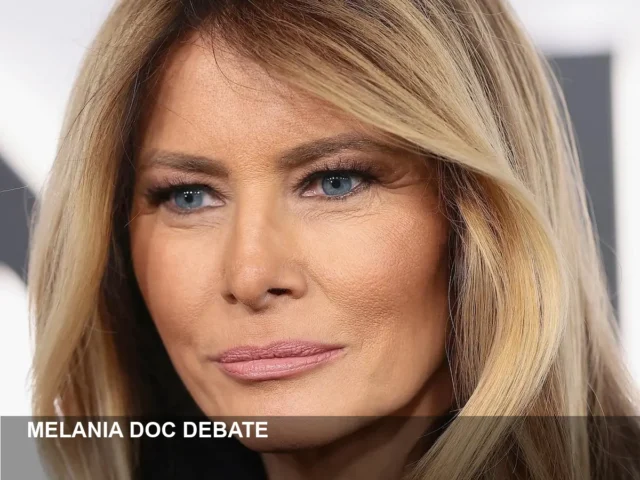
The Melania Trump documentary, which premiered late January 2026, has become a flashpoint — pricey corporate backing, poor reviews and organized efforts by allies to buoy ticket sales have pushed the film from a cultural curiosity to a political story about money and influence.
What happened
The film, directed by Brett Ratner and backed by Amazon, opened in late January after a Kennedy Center premiere on Jan. 29, 2026. Amazon paid roughly $75 million tied to acquiring and promoting the project (reports break that into about $40 million for the film and $35 million for marketing), and it earned about $7 million in its U.S. opening weekend — a strong weekend for a documentary but far short of the roughly $100 million global take analysts say would be needed to reach break-even.
Box office and reviews
- U.S.: $7 million opening weekend — the biggest documentary start in years but small compared with the film’s cost.
- Australia: opened in 33 cinemas with a per-screen average of about AU$982 and a No. 31 chart debut.
- UK/Ireland: shown on 155 screens with a low per-screen average; critics panned the film. The Guardian’s Xan Brooks called it “dispiriting, deadly and unrevealing.”
- Aggregates: Rotten Tomatoes around 6%, Metacritic about 6/100, and IMDb ratings plunged early on before settling near 1.3/10 from tens of thousands of votes.
Who’s pushing the numbers
Reports show the National Faith Advisory Board, led by Paula White-Cain — a longtime spiritual adviser to Donald Trump who now heads the White House Faith Office — circulated emails encouraging group ticket purchases and private screenings. The theater options include group buyouts or smaller group packages; some private showings require paying for all seats in a theater, which can run into the low thousands of dollars.
Why it matters now
The story ties together several threads: an unusually large corporate purchase of a first-lady–focused film, questions about the timing and motivation for that purchase, and visible efforts by political allies to influence box-office perception. President Trump has said he “wasn’t involved” in negotiations over the documentary’s price, and Melania’s camp has said producers shopped the film to distributors before choosing Amazon.
Context and fallout
Observers note this is part of a longer history of public figures monetizing the first-family spotlight — from Eleanor Roosevelt’s paid broadcasts to modern development deals — but critics say this film represents an extreme example because of its price, timing and the perceived corporate deference to a sitting president.
What to watch next
- Whether Amazon or the National Faith Advisory Board issues further comment about the bulk-buy push.
- Box-office trajectory in the coming weeks; without positive word of mouth, analysts expect the film’s international runs to struggle.
- Any political or ethics scrutiny over the business deal tying a major corporate buyer to a film about a serving first lady.
For now, Melania’s fate looks tied as much to political mobilization and corporate strategy as to audience interest in the film itself.