
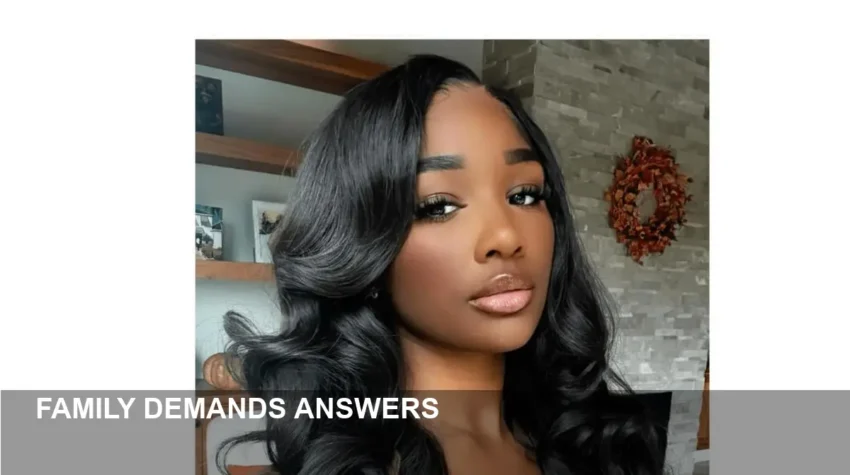
After days of social media uproar and family pleas for answers, Zanzibar police announced on April 13 that they have ruled lifestyle influencer Ashlee Jenae’s death a suicide—but her family insists the case is far from closed.
North Unguja Police Commander Benedict Mapujira told reporters the 31-year-old, whose legal name was Ashly Robinson, was found unconscious in a resort villa after an argument with her fiancé, Joe McCann. Authorities say she hanged herself inside a wardrobe with material from her dress and was later pronounced dead at a local hospital. Police have publicly ruled out foul play and said McCann is not being held as a suspect.
The family, however, released an Instagram statement the day before the police announcement, confirming Robinson’s death and calling the circumstances “suspicious.” Close friends and allies — including PR executive Savannah Britt — have publicly rejected the suicide finding and demanded a transparent, independent inquiry. High-profile social reactions have amplified those calls (some celebrities questioned the conclusion), and the hashtag #JusticeForAshleeJenae has been circulating across platforms.
What makes the case unusually contested are the conflicting details that surfaced in early reports: the resort name varies across accounts (Zuri Zanzibar and Serval Wildlife Resort have both been cited), and there were initial, unverified claims that Robinson was found hanging from a tree rather than inside a wardrobe. Robinson’s recent social posts showed a joyful birthday and an on-trip engagement to McCann — images and captions that friends say are inconsistent with someone planning to take her own life. But can Instagram mood tell the full story?
So far, Tanzanian authorities have not released a public autopsy or toxicology report. That omission is driving much of the skepticism. If forensic results remain private, families in similar overseas cases frequently pursue consular help and independent autopsies after repatriation—an option Robinson’s relatives may consider if official findings are not forthcoming. This pattern has become a standard recourse when deaths abroad involve Americans and contested conclusions.
For now, the investigation remains open. The family says it is cooperating with Zanzibar officials while continuing to press for clarity and transparency. McCann has not issued a public statement about the police ruling. U.S. officials have not released detailed commentary publicly, though consular channels are typically involved in cases of citizen deaths overseas.
The unanswered questions are many: timelines that don’t fully align, differing witness descriptions, and the absence of publicly shared forensic data. Those gaps are what friends, family and online supporters say must be filled before anyone accepts a final determination. Expect calls for forensic transparency to grow louder in the coming days—and for legal and consular steps to be explored as the family seeks definitive answers.