
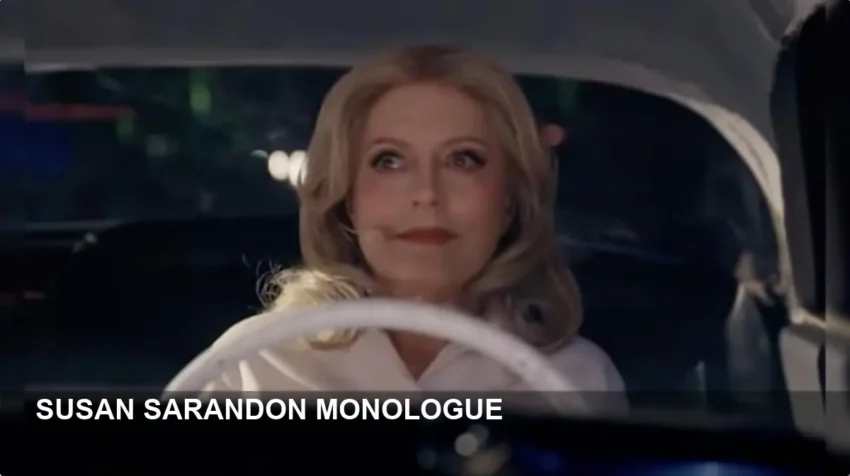
After weeks of hype around headliners, the moment nobody saw coming at Coachella night 1 was not a duet or a guest singer but Susan Sarandon delivering a seven‑minute spoken interlude as an older Sabrina Carpenter — and it sparked instant debate about what belongs on a festival stage.
Sarandon’s cameo came during Sabrina Carpenter’s headline performance on the festival’s first weekend in Indio, California. Clips of the monologue — shared widely across X (Twitter) and TikTok within minutes — show the Oscar winner inhabiting an elder version of Carpenter’s on‑stage persona, delivering a mixture of paean, parody and theatrical flourish while the crowd reacted with a mix of cheers and bewilderment.
The surprise felt like stunt casting at its purest. Carpenter’s set itself was a classic Coachella spectacle: tight pop hits, multiple costume changes, vintage‑Hollywood set pieces and high production values that leaned into both Broadway staging and party energy. But instead of a typical guest cameo—an extra verse, a duet, a quick on‑stage hug—festivalgoers got a straight theatrical beat, an unannounced spoken‑word scene that paused the music and demanded attention.
Why did she do it? For some it was a delightful cross‑genre experiment; for others it interrupted the flow of a concert. The larger implication is worth noting: this was less a celebrity wink than a deliberate blending of performance disciplines — an actor using a music platform to stage a short piece of theater. This is the most overt example yet of festival programming borrowing from theatre; expect future lineups to include staged interludes by actors as attention‑grabbing content rather than mere cameos.
Fans and commentators immediately turned to context. Sabrina Carpenter’s headline slot followed the usual Coachella blueprint — extended evening set, elaborate visuals, and the kind of curated surprise moments that generate social traction. For reference, Coachella headliner sets typically run around 75–90 minutes within festival hours that span afternoon into late night; the event itself operates as two consecutive weekends with largely replicated lineups.
Reaction split across social platforms. Some praised Sarandon for theatrical bravery and for adding old‑Hollywood glamour (and a wink at Carpenter’s aesthetic). Others complained the device was confusing and briefly derailed the momentum of a high‑energy pop set. Memes and hot takes proliferated quickly — which, for festival promoters and artists alike, is part of the point.
Industry observers say moments like this are increasingly engineered to cut through a saturated social feed. Festivals used to sell tickets with lineups and vibe; now they sell moments that go viral. Compare this to past Coachella cameos and surprise appearances: the aesthetic has shifted from musical guest drops to cross‑discipline interventions that create conversation beyond the music itself.
What’s next: Carpenter returns for weekend two with the same billed set, so audiences will watch to see if the Sarandon piece is repeated or replaced. For festivalgoers wondering how long Coachella runs, the two‑weekend model remains intact, and set lengths are likely to remain in the 75–90 minute headliner window — but don’t be surprised if more shows this year include non‑musical theatrical moments that stretch that formula.