
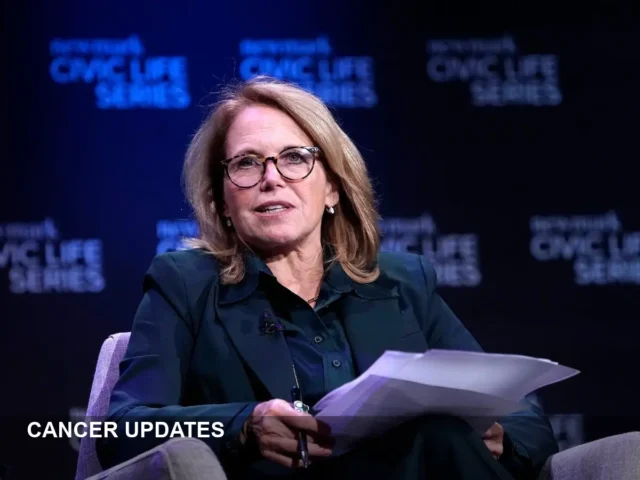
Public figures are increasingly putting cancer conversations in the spotlight, and this week three high-profile updates landed: Katie Couric on prevention, Vance Sheahan on survival and Joe Castiglione on recovery. These stories show different stages of the same fight—prevention, survival and return to work—and they could affect how people think about screening and support. Historically, celebrity advocacy has moved the needle on public health behaviors; the renewed focus today may prompt another measurable uptick in screenings.
Most recently, longtime Red Sox broadcaster Joe Castiglione said he is feeling well after treatment for a sarcoma in his right leg and plans to return to the radio booth for several games this season. The 79-year-old confirmed he had surgery and radiation and that recent scans are clean. “Everything is fine now…I’m cancer-free,” he told reporters, adding he expects to be back calling games.
At the prevention end of the spectrum, journalist Katie Couric has been using her platform to urge people—especially younger adults—to take colorectal risk seriously. She talked about a three-part approach she follows: a mostly whole, plant-based diet; regular exercise and strength training; and keeping up with recommended screenings. Couric said she gets screened “religiously,” and recently had a colonoscopy that removed three polyps—small growths that can turn into cancer if left untreated. She also promotes accessible options like at-home stool tests as a first line for people who might otherwise skip screening.
Then there’s the comeback story: Miami infielder Vance Sheahan, who underwent surgery nearly seven years ago to remove a brain tumor at the base of his skull, is now cancer-free and a key player for his college team. Sheahan has turned his experience into a mission to inspire others, saying he hopes to run baseball camps for kids facing similar diagnoses. His coach praised his character and resilience, noting that players who overcome serious setbacks often become emotional leaders in the clubhouse.
These three accounts map a familiar arc: prevention and early detection, grueling treatment and recovery, and finally public-facing advocacy. Couric’s emphasis on diet (less ultra-processed food, more plants), routine movement—Pilates, brisk walking and strength work—and timely screenings aligns with current medical guidance that favors starting colorectal screening at age 45 for average-risk adults. Castiglione’s clean scans and planned return are a reminder that older athletes and broadcasters can — and do — recover and resume public life. And Sheahan’s outreach highlights how survivor stories can reshape expectations and provide practical support to families navigating treatment.
There’s a practical takeaway here. Don’t wait to ask your doctor about screening options—colonoscopies remain the gold standard, but at-home tests can be a gateway to care (and the best test is the one that gets done). And for those battling cancer now: personal stories from public figures can open doors to resources, fundraising and community programs.
What’s next? Watch for Castiglione’s scheduled broadcasts this season and for community initiatives seeded by Sheahan’s camps. Meanwhile, Couric’s public push for awareness — and the small daily habits she credits for keeping healthy — will keep surfacing in public-health conversations. If celebrity visibility once sparked a “Couric effect” for colonoscopy uptake decades ago, could this wave of candid updates do the same today?