
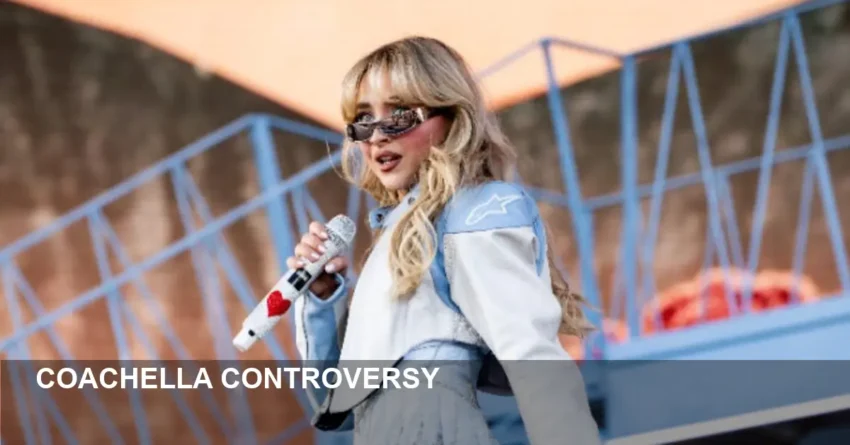
Sabrina Carpenter just apologized on April 11 after video of her reacting to an Arabic celebratory chant during her Coachella set went viral, marking the latest example of how global festivals amplify everyday cultural clashes. This moment — and the response to it — highlights a recurring industry test: how performers handle unexpected, cross-cultural fan interactions in real time.
Clips circulating on X showed Carpenter pausing mid-set to question a high-pitched celebration from the crowd. “I think I heard someone yodel,” she said, adding, “Is that what you’re doing? I don’t like it,” before asking, “Is this Burning Man? What’s going on? This is weird.” The fan told her the sound was part of their culture; Carpenter replied, “That’s your culture is yodeling?”
Within hours the chant was identified by commentators as zaghrouta (also called ululation), a vocal expression of joy that uses rapid tongue and throat movement to make a high-pitched sound and is common at weddings and celebrations across parts of the Middle East and North Africa. The exchange generated a swift online debate over tone and intent: some accused the singer of xenophobia and cultural insensitivity, while others called the backlash overblown.
In a post on X late that day Carpenter wrote, “my apologies i didn’t see this person with my eyes and couldn’t hear clearly. my reaction was pure confusion, sarcasm and not ill intended. could have handled it better! now i know what a Zaghrouta is! I welcome all cheers and yodels from here on out.” That message served as her formal apology and was widely shared across social platforms as the clip continued to trend.
Reactions split along predictable lines. Fans and critics posted memes and commentary — some framing the moment as a teachable lapse, others as proof of cultural dismissiveness by a mainstream artist. A number of users, including people who identified personal ties to ululation traditions, urged a more empathetic response: when someone says “this is my culture,” they argued, the preferred course is to accept and learn rather than mock.
There is a broader industry lesson here. Large festivals like Coachella bring international audiences together, where unfamiliar customs can be mistaken for disruption — and performers have seconds to react. Should artists be expected to instantly recognize every cultural expression? Probably not. But training and briefings for multi‑cultural crowds are becoming standard at major tours and live events, and incidents like this accelerate that shift.
For now Carpenter’s apology appears to have tempered some criticism, though the conversation has not fully died down. Clips, replies and commentary keep resurfacing as new users discover the moment. If anything, the episode is likely to prompt more onstage coaching for pop acts and a reminder that in a global festival setting, a performer’s split-second response can become a headline.