
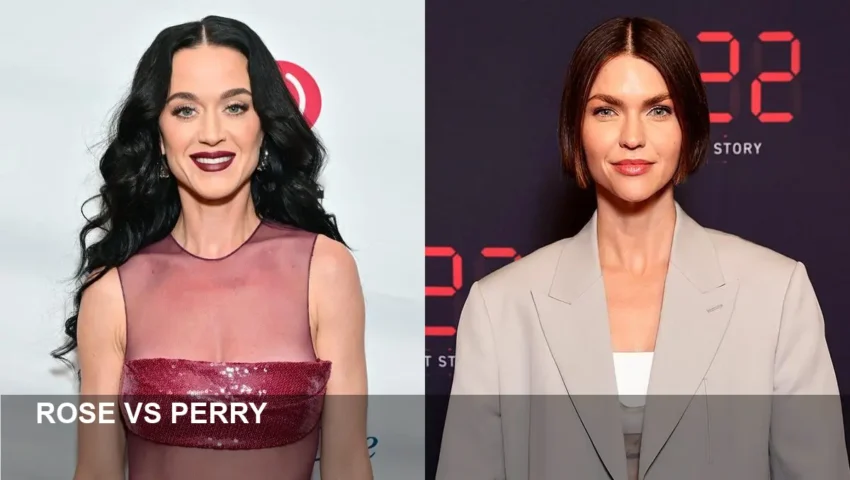
Katy Perry denied Ruby Rose’s allegation on Monday, April 13, calling the claim “categorically false” and “dangerous reckless lies.” The exchange — one played out publicly on social media and followed by a reported police visit — underscores how high-profile accusations now erupt and escalate online, then move quickly into official channels.
Rose, the Australian actor and former model, posted the initial accusation on Threads over the weekend, saying the alleged incident occurred at Spice Market nightclub in Melbourne when she was in her early 20s. In a series of responses to other users, she wrote graphic details of the encounter, said she later vomited, and stated that the episode had been witnessed by others and photographed. Hours after posting, Rose added, “I did it,” indicating she had gone to a police station (she later told followers she had left the station).
A representative for Perry, 41, issued a direct denial Monday, telling media outlets: “The allegations being circulated on social media by Ruby Rose about Katy Perry are not only categorically false, they are dangerous reckless lies. Ms. Rose has a well-documented history of making serious public allegations on social media against various individuals, claims that have repeatedly been denied by those named.” That statement is the singer’s first public response since Rose’s Threads post.
The public thread began after users reacted to a viral clip of Perry at Coachella, and Rose’s comment — short, blunt and then elaborated into graphic accusation — rapidly drew attention and widespread reaction across platforms. Fans and observers pointed to Perry’s early-career ties to Australia, while others noted Rose’s previous roles in Orange Is the New Black and films such as The Meg and John Wick: Chapter 2 (context that Rose has publicly discussed in earlier interviews).
Legal and procedural questions are already surfacing: Rose herself acknowledged concerns about timing and the statute of limitations, writing that she feared some claims might be “past their statute of limitations,” but nevertheless said she would ask police to investigate. Will authorities pursue it? That remains unclear; such older claims often face evidentiary and timing hurdles — an obstacle common to many high-profile allegations that originate years after the fact.
Social reaction has been intense and immediate. Threads and other platforms filled with supporters for both women, demands for evidence and calls for restraint from those urging due process. The posts and the rep’s statement operate as the primary public record so far — Rose’s original Threads messages and the Perry representative’s press comment are the two anchor documents driving coverage.
What happens next: Rose says she has provided names and photos to police and plans to update followers; Perry’s camp has denied the allegation and characterized it as part of a pattern of online accusations. If the police decide to open or expand an inquiry, it could lead to formal statements from law enforcement — which would be the next major development in a story that began on social media but could develop into an official investigation or civil action.
This episode also highlights a shifting playbook in celebrity disputes: immediate public posts, rapid counter-statements, and the co-mingling of private trauma with public spectacle — all within hours. For now both sides have spoken publicly; the next authoritative update will likely come from police records or an official legal filing.